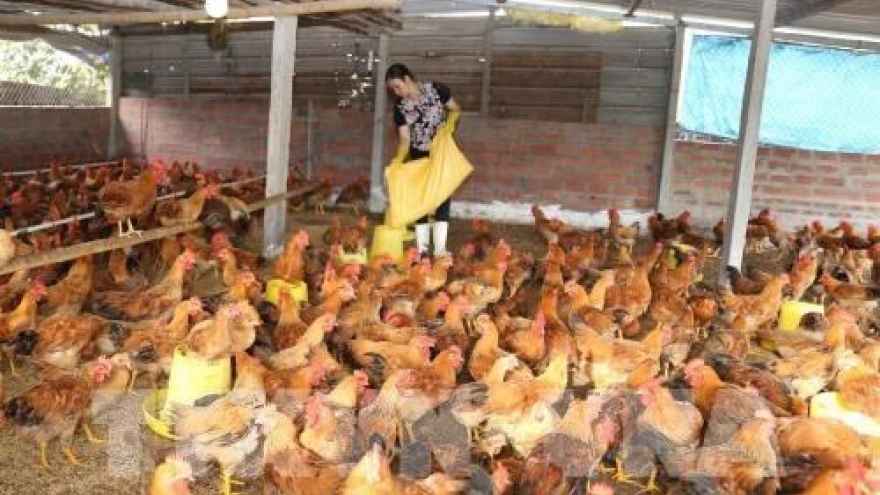
Technology mastery and value chain linkages key to livestock sector

VOV.VN - Amid overlapping challenges, mastering technology, particularly in vaccines and breeding, along with building closed value chains, is seen as key for Vietnam’s livestock sector to overcome bottlenecks and move towards sustainable development.
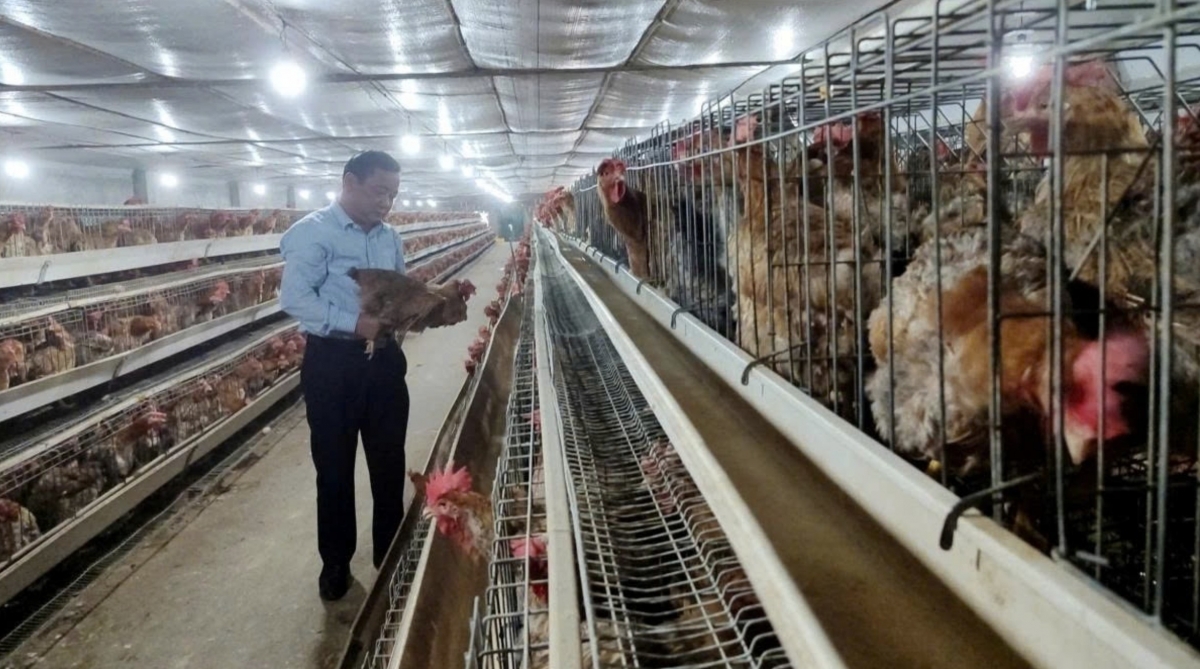
Gap between research and application
Despite gains in research and production, especially in mastering certain veterinary vaccine technologies, the livestock sector has yet to fully utilise its potential.
A gap between research and application, along with institutional constraints and market preferences, has limited the use of scientific outcomes in practice.
Alongside advances in science and technology, the sector continues to face multiple constraints, including inconsistent policies, difficulties in technology transfer and a preference for imported products.
These factors reduce the efficiency of research investment and affect overall competitiveness.
Nguyen Thi Huong, Chairwoman of the Vietnam Veterinary Science and Technology Association, said the veterinary sector has recorded notable results in recent years, particularly in science and technology.
Vietnam currently has more than 100 factories producing veterinary medicines and vaccines that meet GMP standards, with many capable of supplying products for disease prevention and control in both terrestrial and aquatic animals.
In addition to research institutes and universities, enterprises have stepped up investment, covering breeding, farming processes and disease control.
However, Huong said the main bottleneck lies in the limited transfer of research results into practice.
The gap between research institutions and businesses remains, leaving many scientific achievements underused.
Administrative procedures, particularly in finance and taxation, remain complex, reducing the time scientists can devote to research.
Notably, although domestically produced veterinary vaccines have proven their quality and are even exported, their use remains limited. A preference for imported products has led many farms to prioritise foreign vaccines, reducing opportunities for domestic products.
From a production perspective, Nguyen Van Trong, Vice Chairman of the Vietnam Farm Enterprises Association, said the sector has maintained growth of 4-6% annually and largely meets domestic demand.
However, it still faces limitations in breeding, as it has yet to fully secure a supply of high-quality breeds. High production costs, low competitiveness and complicated disease developments remain major challenges.
At the same time, small-scale production remains common, while weak linkages raise costs and make quality control more difficult.
Removing institutional bottlenecks to support innovation
Trong said biosecure farming is a key factor in controlling disease and reducing dependence on vaccines and antibiotics.
Organising production through closed value chains, from inputs to consumption, is also necessary to improve efficiency and lower costs.
Another direction is the development of circular livestock farming, using waste as a resource to both cut costs and protect the environment.
Greater application of high technology, including gene analysis and editing, is needed to improve productivity and competitiveness.
Nguyen Ngoc Son, Vice Chairman of the Vietnam Animal Husbandry Association, said input from regulators, businesses and farmers indicates the sector needs to focus on removing several limitations.
Localities have been granted considerable autonomy in socio-economic development, including livestock and innovation.
However, policies still need further refinement to create a more open legal framework for science and technology development.
He also called for stronger administrative reform, particularly in land, investment and business support policies.
Once these bottlenecks are removed, businesses will be more willing to invest, while farmers will have greater confidence to expand production.
Promoting international cooperation in science and technology is another priority.
Countries in the region, such as China, have made rapid progress in livestock technologies, from breed improvement and gene applications to disease control and modern farming models.
At the same time, greater attention should be paid to developing closed value chains, from production to consumption or from farm to table.
This is a key factor in increasing added value and ensuring long-term sustainability for the sector.

Vietnam electronics, electrical value chain map unveiled
The Vietnam Trade Promotion Agency (Vietrade) under the Ministry of Industry and Trade, in collaboration with the Korea Trade-Investment Promotion Agency (KOTRA), on December 18 organised a workshop announcing a value chain map of the electronics and electrical sector.