Technology bolsters growth confidence among Vietnam’s small businesses

Vietnam’s small businesses saw a strong performance in 2025, with 84% reporting growth - a slight increase from the previous year, according to an Asia-Pacific small business survey released on April 21 in Ho Chi Minh City by CPA Australia, one of the world’s largest professional accounting organisations.
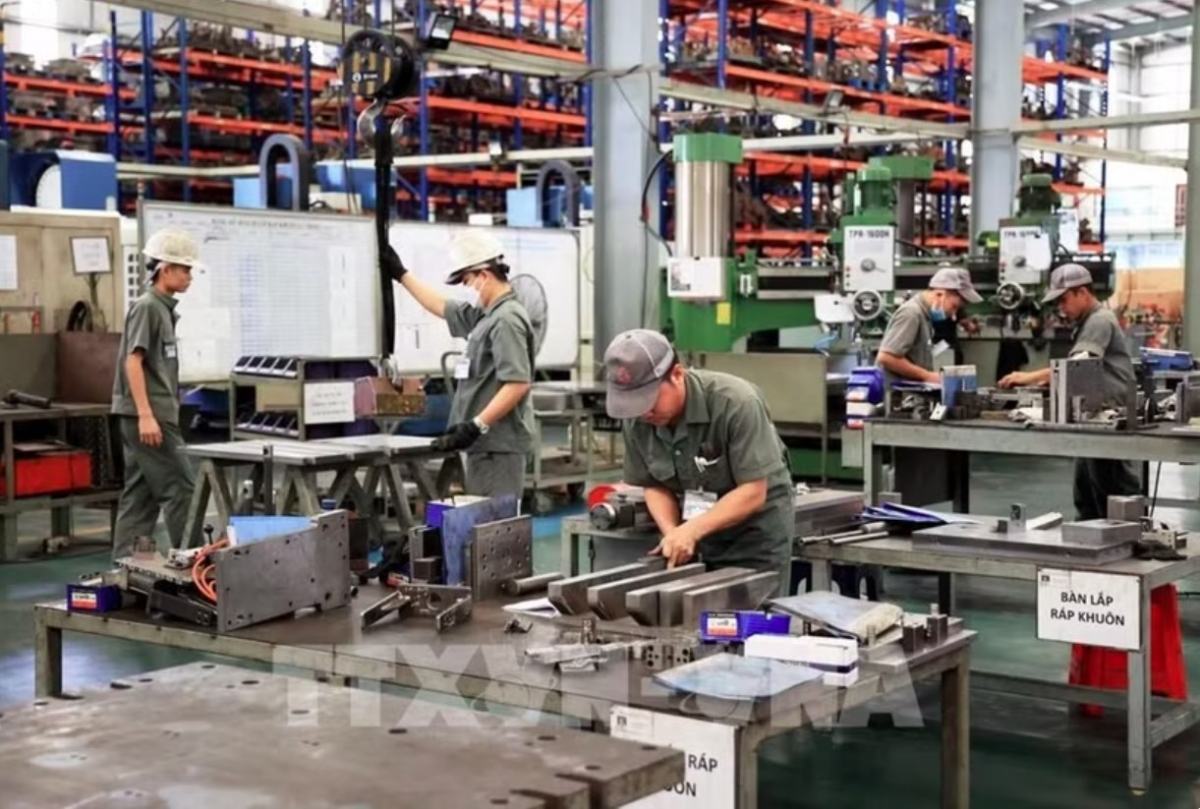
The country emerged as the best-performing market among the 11 economies surveyed.
The survey also indicates that this growth is expected to continue into 2026, with 89% of Vietnamese small businesses planning to expand operations. This outlook is fueled by a strong emphasis on embracing technology, expanding e-commerce, and enhancing corporate governance capabilities. Notably, Vietnam posted the highest level of business confidence in national economic prospects, with 85% of firms expecting domestic economic growth this year, well above the survey average of 65%.
Priya Terumalay, Regional Head for CPA Australia in Southeast Asia, noted that robust technological capability is a key factor underpinning small businesses’ confidence in Vietnam’s economic outlook.
Vietnamese small enterprises maintained their strong performance from the previous year, ranking at or near the top across Asia-Pacific in all key indicators of technology adoption last year, including e-commerce, social media usage, digital payments, and engagement with IT consultants.
Despite ongoing global uncertainty related to tariffs and trade restrictions, the results underscore the potential of businesses to evolve into globally competitive enterprises. This progress is being driven by a new generation of tech-savvy entrepreneurs eager to expand into international markets.
Vietnamese small businesses are also increasingly confident in their global competitiveness, with 30% expecting strong growth in overseas revenue in 2026.
The annual survey gathers insights from business owners and senior executives to identify success factors within the small business community. The latest findings are based on responses from 4,166 firms across 11 markets, including China, India, Indonesia, Malaysia, New Zealand, the Philippines, Singapore, and Vietnam, among others.
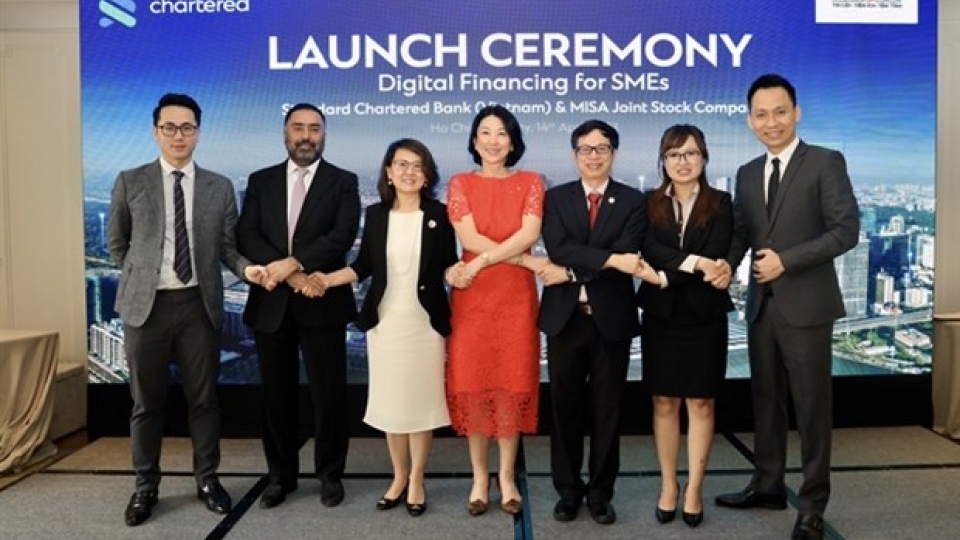
Standard Chartered, MISA to provide financing to small businesses
Standard Chartered Bank has announced the launch of a strategic partnership with information technology company MISA JSC to offer unsecured invoice financing to small and medium-sized enterprises at competitive interest rates and straight-through processes.