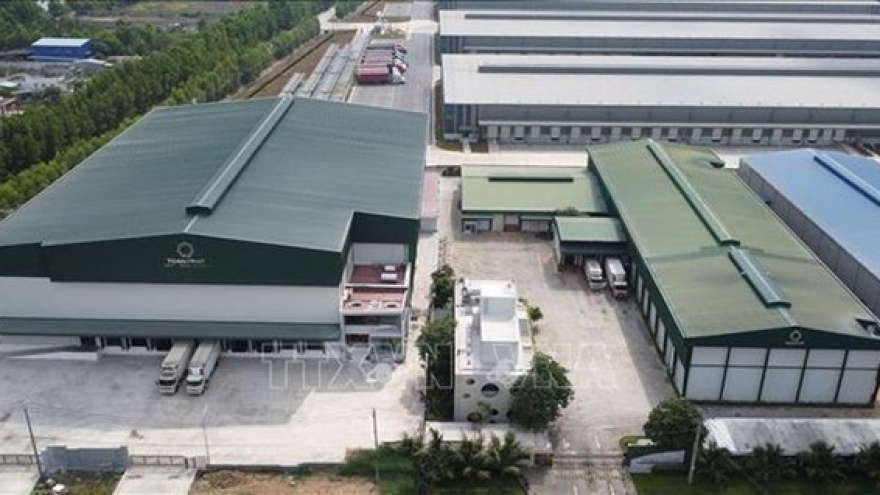
SEA’s largest automated cold storage tackles agricultural logistics bottleneck

VOV.VN - Southeast Asia’s largest automated storage and retrieval system (ASRS) officially commenced operations in southern Tay Ninh province, marking a turning point in completing Vietnam’s logistics ecosystem, tackling post-harvest preservation challenges, and enhancing the international value of Vietnamese agricultural products.
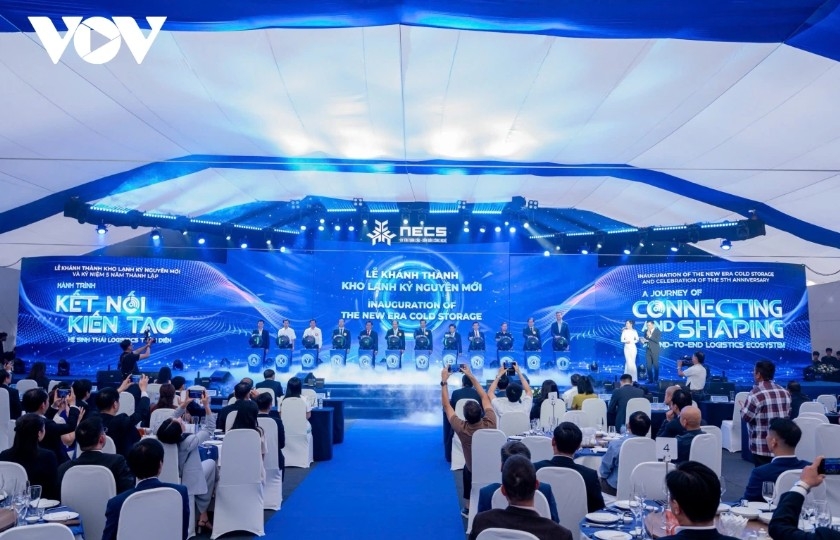
Vietnam’s agriculture and seafood sectors are entering a period of major opportunity, aiming for exports of US$65-70 billion in 2025. However, the lack of modern cold-chain infrastructure has long been a bottleneck, limiting competitiveness and preventing key regions such as the Mekong Delta and the Southeast from realizing their full economic potential.
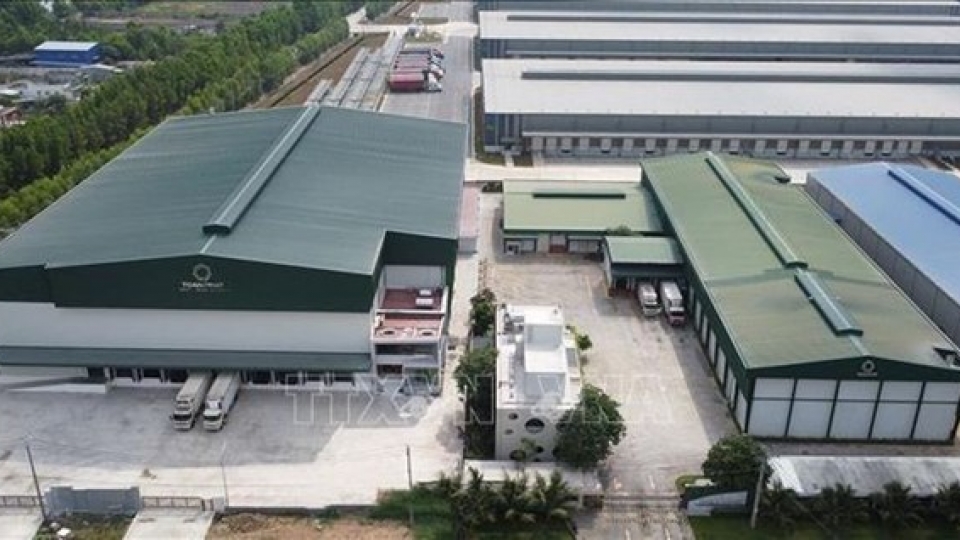
Against this backdrop, the inauguration of the New Era Cold Storage (NECS) in Tay Ninh offers a solution for sustainable cold-chain logistics. Recognized as one of the largest ASRS facilities in Southeast Asia, NECS can accommodate up to 110,000 pallet positions. Its standout feature is a fully automated operation in deep-freeze conditions, managed by 15 robots and a 19-tier intelligent racking system.
NECS representatives said the entire workflow, from reservation and inbound/outbound operations to temperature management, is digitally controlled, integrating IoT and artificial intelligence (AI). The system maintains a wide range of temperatures from -22°C to +25°C, meeting the strictest standards for seafood, agricultural products, and processed foods.

In practice, agricultural businesses often face substantial financial pressure and lack internationally certified cold storage, including International Organization for Standardization (ISO), Environmental, Social, and Governance (ESG), and US Food and Drug Administration (FDA) standards. To address these challenges, NECS functions not only as a storage facility but also provides a complete logistics ecosystem.
It is the first digital cold bonded warehouse approved by Vietnam Custom, enabling fast, cost-effective customs services on-site. In addition, its partnership model with banks allows businesses to use stored goods as collateral, accelerating working capital disbursement and maintaining production continuity.
Located at a gateway connecting Tay Ninh with Ho Chi Minh City and southern ports, the facility is expected to shorten transportation routes and optimize logistics costs for goods flowing from the western production areas.
The establishment of NECS marks the start of a long-term strategy to build an integrated chain linking “Ports-Cold Storage-ICD-Transport.” This closed-loop model is set to help Vietnam’s agriculture and seafood sectors break through and assert a stronger position on the global food map.
With seafood export turnover projected to exceed US$10 billion in 2025, a 12.9% increase over 2024, private investment in large-scale cold-chain logistics like NECS sends a positive signal, supporting the sustainable economic development of the Mekong Delta and Southeast regions.
Ample room remains for cold storage market to grow further: experts
The increasing demand for fresh food and e-commerce is serving as the main driving force of the domestic cold storage market - a niche segment of logistics to boom in the coming time.
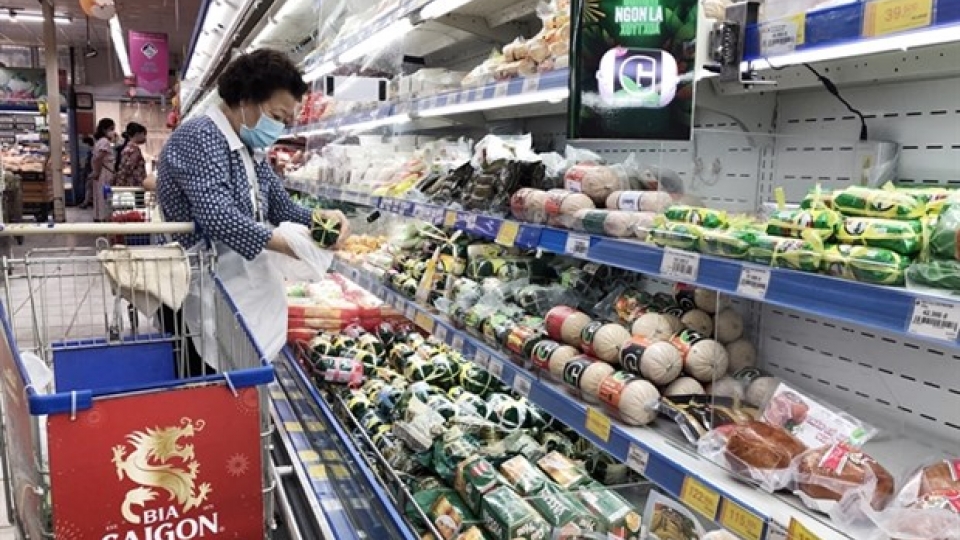
Association asks for support to build cold storage system in HCM City
Ho Chi Minh City needs to develop a cold storage system and raw material storage areas for the food processing industry, the Food and Foodstuff Association of HCM City has said.