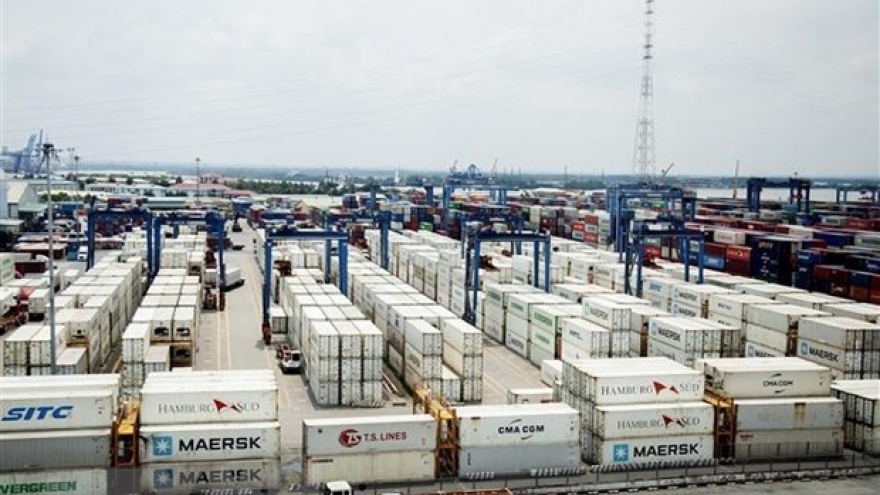
Seaport growth accelerates on stronger infrastructure connectivity

The Cai Mep – Thi Vai port cluster has recorded strong growth in the opening weeks of 2026, buoyed by expanding international shipping routes and improved infrastructure connectivity.
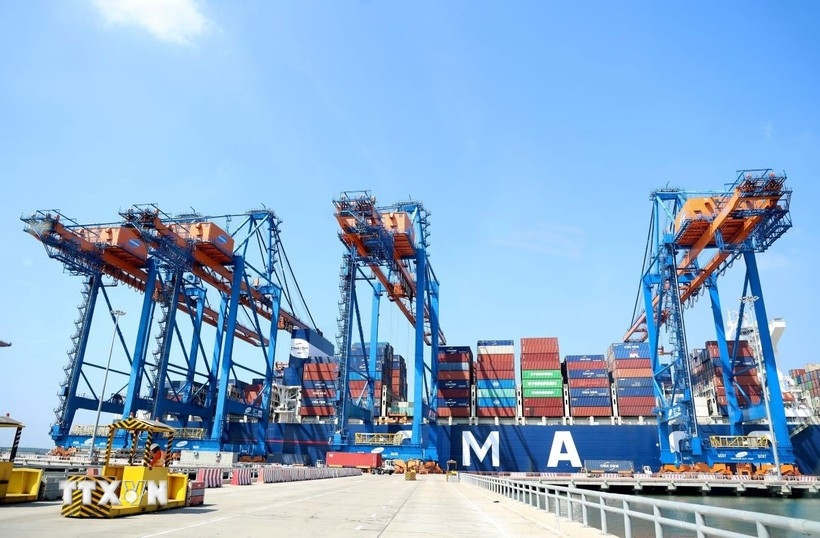
The Vietnam Seaports Association (VPA) reported that container throughput on mainline routes at the port cluster reached 711,429 TEUs (twenty-foot equivalent units) in January 2026, up 9% year-on-year. Growth was concentrated at several key terminals, including Gemalink International Port with 198,905 TEUs, up 24%; Cai Mep International Terminal (CMIT) with 114,635 TEUs, up 26%; and SP-SSA International Terminal (SSIT) with 98,617 TEUs, an increase of 15%.
Stretching about 20 kilometres along the Thi Vai River, the Cai Mep – Thi Vai cluster currently hosts around 35 operational terminals, including container, general cargo and specialised ports, operated by roughly 20 companies and joint ventures. It has become the country’s leading deep-sea port hub and a crucial gateway for global trade.
Major global shipping lines such as Maersk, MSC, CMA CGM, Hapag-Lloyd, Ocean Network Express and ZIM Integrated Shipping Services maintain direct services at the port cluster, which currently operates 48 international container routes per week. More than 20 of these are direct mainline services linking Vietnam to Europe and the eastern and western coasts of the US.
Deputy Minister of Construction Nguyen Xuan Sang said the port’s advantages are underpinned by its deep-water channels, with depths ranging from minus 14 to minus 15.5 metres, allowing the reception of container vessels exceeding 200,000 DWT (deadweight tonnage), including the latest generation of mega container ships. Facilities such as Gemalink are among the few ports worldwide capable of accommodating vessels with capacities of up to 24,000 TEUs.
According to insiders, continued improvements in infrastructure connectivity are expected to further strengthen the cluster’s competitiveness. Key projects include the Phuoc An Bridge, scheduled for completion in 2027, which will link the port area with Ben Luc – Long Thanh Expressway, enabling cargo from the Mekong Delta to reach the port directly without detouring through the congested National Highway 51.
In addition, Bien Hoa – Vung Tau Expressway, expected to be completed in the second quarter of 2026, will serve as an arterial transport corridor connecting industrial zones in Dong Nai and Ho Chi Minh City with the port cuslter. Travel time for cargo transport from Bien Hoa to Cai Mep – Thi Vai is projected to drop from around two hours to just 45–60 minutes.
These infrastructure developments will significantly reduce logistics costs, enhance supply chain efficiency and subsequently improve national competitiveness.
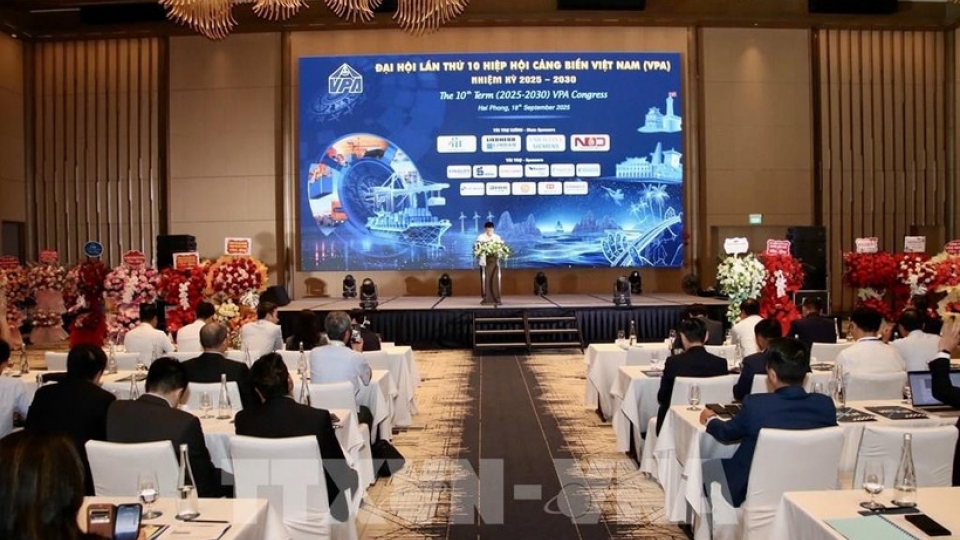
Vietnam’s seaport system – A vital link in global supply chains
The 10th Congress of the Vietnam Seaports Association (VPA) for the 2025–2030 tenure was held in Hai Phong on September 18, setting priorities for the development of modern and sustainable seaports driven by technology and digital transformation to strengthen competitiveness and contribute to national economic growth.