Quang Tri: over 1.7 bln USD poured into economic, industrial zones

Economic zones and industrial parks in the central province of Quang Tri attracted over 40 trillion VND (over 1.7 billion USD) from 150 investment projects as of July this year.
 |
| A BOT toll station in Quang Tri province (Source: VNA) |
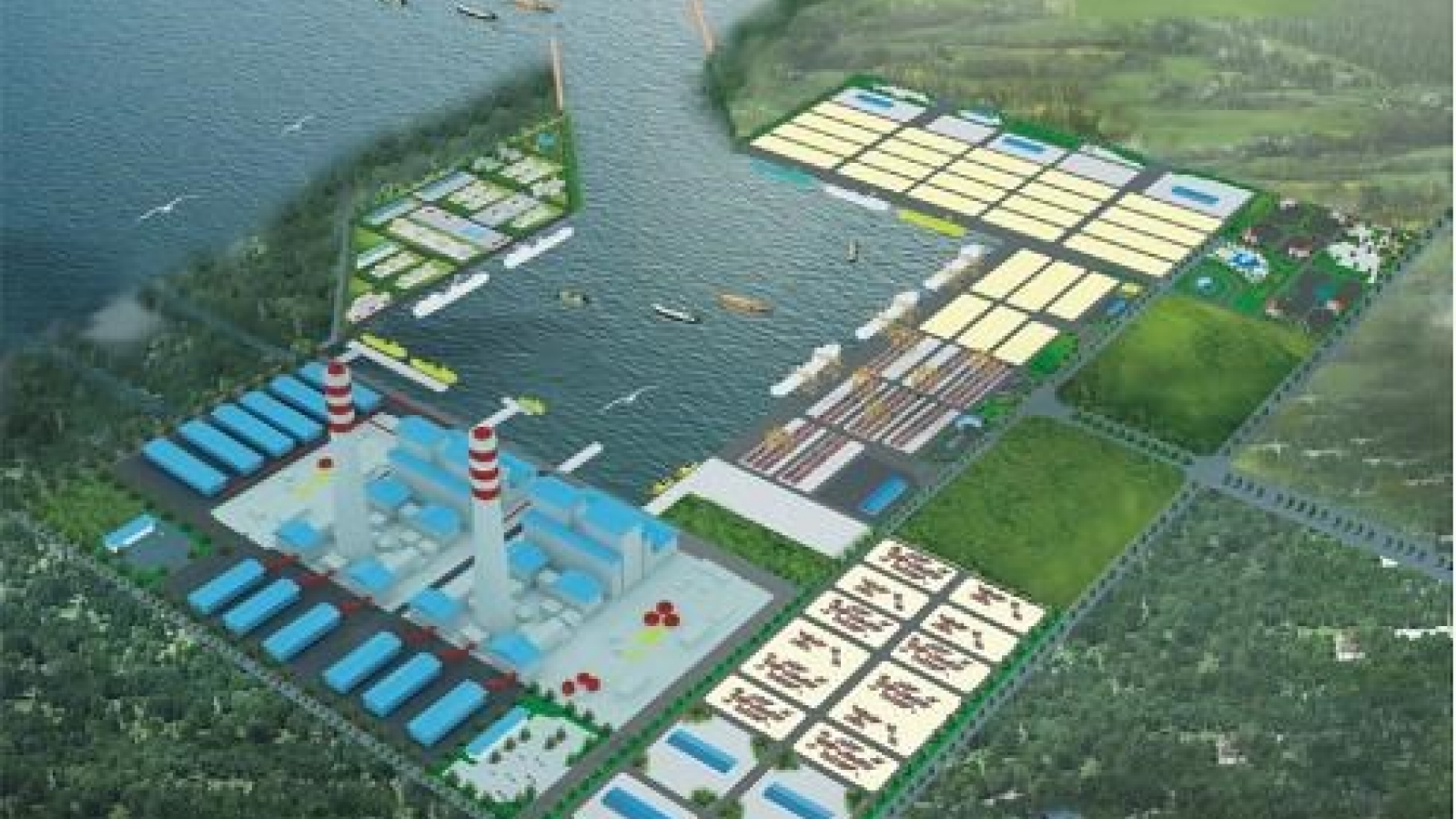
Quang Tri is currently home to the southeast coastal economic zone, Lao Bao special economic zone and three IPs, namely Nam Dong Ha, Quan Ngang and Tay Bac Ho Xa. These have lured a great number of investment projects, mainly in the fields of thermal and gas-fueled power, and infrastructure development.
The My Thuy deep sea port, invested by the My Thuy International Port Joint Venture Company with total capital of 14 trillion VND (over 602.4 million USD), is among major projects implemented in the locality. Covering an area of 685 ha, the port includes 10 ports, which are capable of receiving 100,000-tonne ships.
The Lao Bao special economic zone located in the East-West Economic Corridor, has attracted 50 projects in service, garment and processing.
Meanwhile, the local IPs are attractive to investors in garment for export, medium density fibreboard (MDF) production, and high-tech agriculture.
More and more foreign enterprises are interested in IPs and economic zones in Quang Tri.
The Electricity Generating Authority of Thailand invested in Quang Tri 1 Thermal Power Plant a capacity of 1.320MW under the form of build-operate-transfer (BOT); and the Gazprom Group of Russia injected money in a gas power plant with a capacity of 340 MW.
Industrial production value in economic and industrial zones in Quang Tri has reached nearly 5 trillion VND, creating jobs for about 6,000 workers.
The local authorities have offered many incentives on taxes, insurance, and land, aiming to lure more enterprises to invest in economic and industrial zones. The locality gives priority to investment projects in energy development, towards turning it into an energy centre in the north central region.
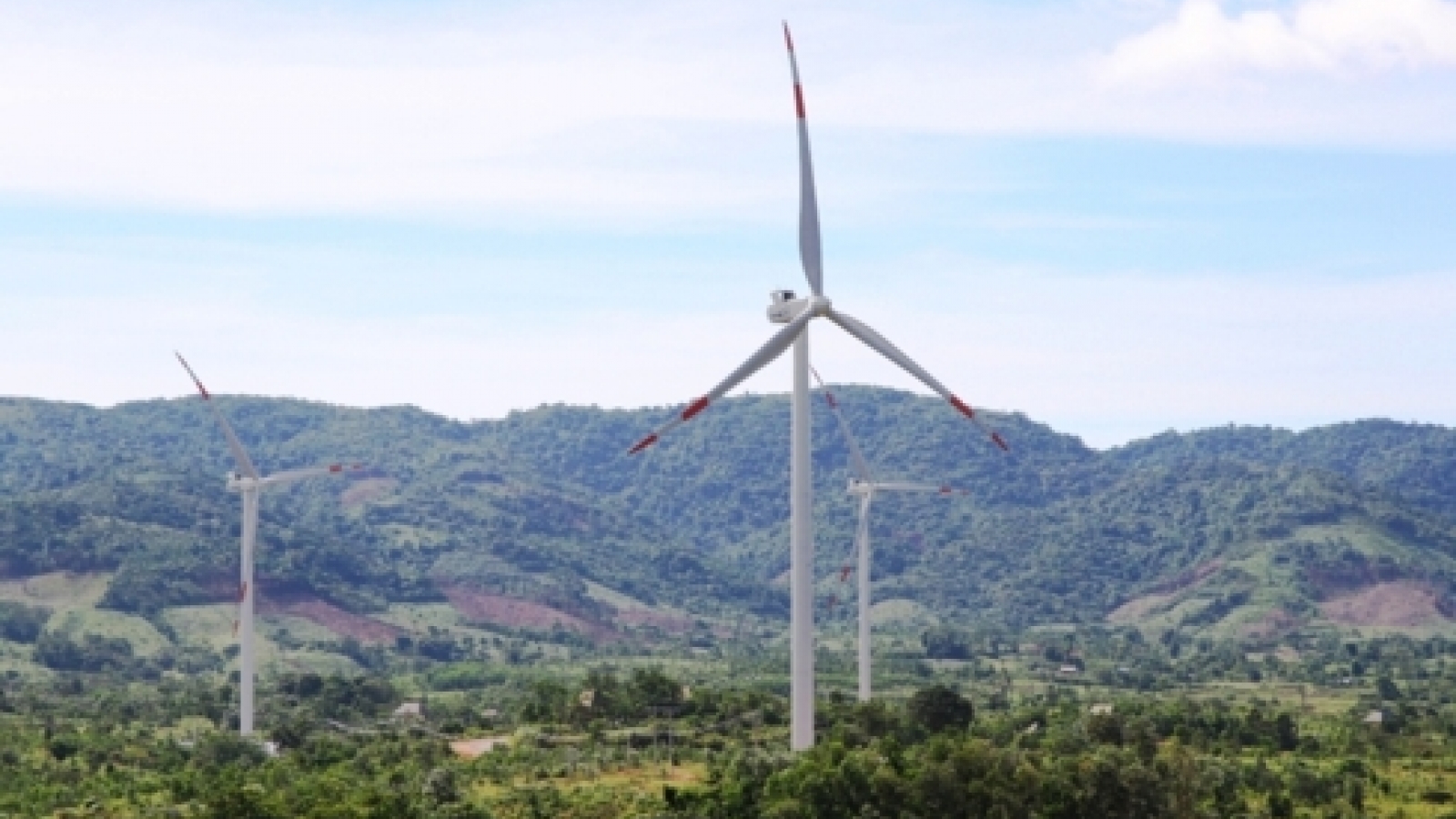
According to Chairman of the provincial People's Committee Nguyen Duc Chinh, the locality aims to have 5,000 MW of electricity from thermal, gas, wind, solar and hydropower plants by 2025.