


Paving the way for Vietnamese sesame to enter RoK food supply chains

VOV.VN - A delegation from the Vietnamese Ministry of Agriculture and Environment conducted a working visit to the Republic of Korea (RoK) from October 5 to 10.
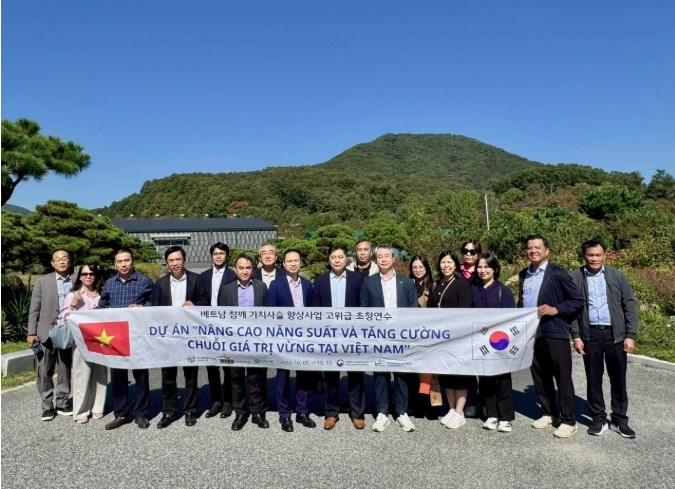
The visit aimed to exchange expertise, promote public-private partnerships, and strengthen agricultural value chain integration under the project "Capacity Building and Strengthening the Sesame Value Chain in Vietnam," funded by the RoK Government.
Memorandums of understanding (MOUs) signed during the visit established a five-year strategic framework between Vietnamese agencies and partners from the RoK, coordinated by the Project Management Consultant unit.
The agreements outline a closed-loop value chain linkage model centered on strict compliance and transparent standards, shifting agricultural production from supplying available produce to fulfilling exact market orders.
The documents clearly define the responsibilities of each party across the supply chain: partners from the Republic of Korea drive market orientation, technology transfer, and product purchasing, while Vietnamese representatives organize and execute compliant production processes.
Evaluating the cooperation, Le Quoc Thanh, Director of the National Agricultural Extension Center, said that Official Development Assistance initiatives and value chain models from the RoK offer high practical utility in line with Vietnam's agricultural development goals, particularly in key farming regions such as Nghe An and Dong Thap. Direct linkages between importers, cooperatives, and extension systems turn rigorous standards into actionable field guidelines, thus ensuring stable agricultural quality across crop seasons.
Beyond sesame, the working visit opened broader cooperation prospects for other Vietnamese agricultural products.
At a working session with the Embassy of Vietnam in the RoK, diplomatic and professional representatives emphasized the complementary nature of both nations' agricultural sectors. Alongside sesame, high-potential categories including coffee, tea, vegetables, and fruits (mangoes, bananas, and lychees) can integrate deeper into the supply chain for the food processing industry (K-Food).
During the visit, a distributor specializing in food, beverages, and agricultural produce proposed establishing raw material regions and purchasing citrus fruits for processing to serve both domestic markets.
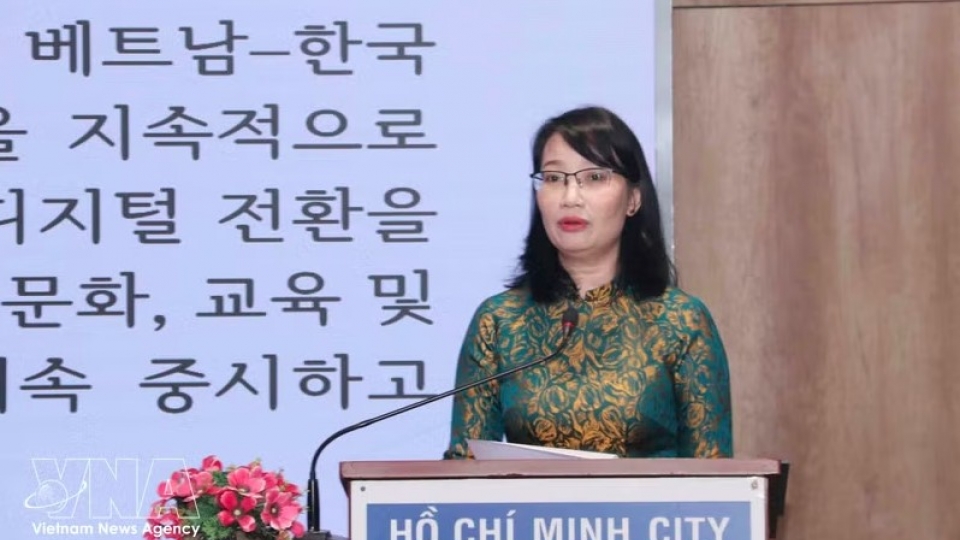
Vietnam, RoK promote friendship, mutual understanding
People-to-people bonds are one of the most important foundations of the bilateral relationship between Vietnam and the Republic of Korea (RoK), said Chairwoman of the Vietnam-RoK Friendship Association in Ho Chi Minh City (VRFA Ho Chi Minh City) Tran Thi Dieu Thuy.
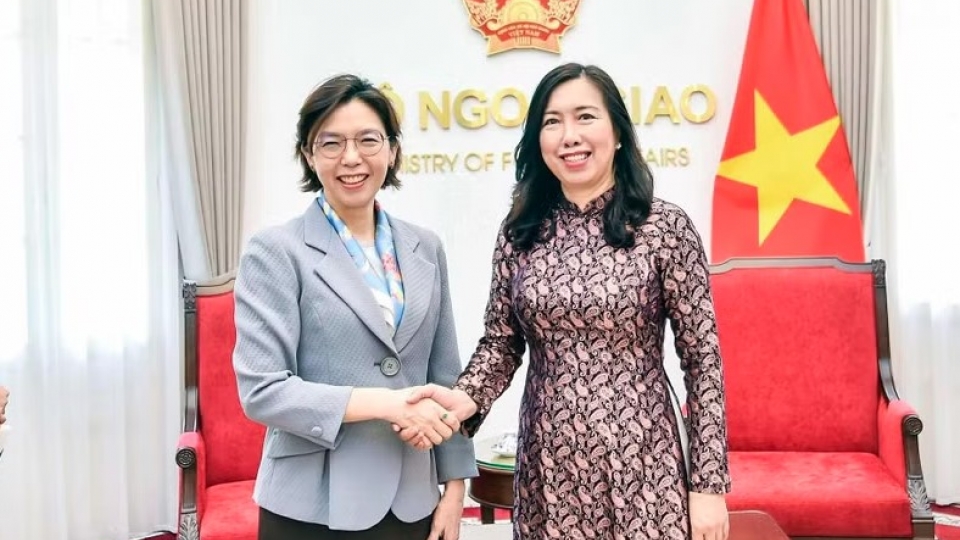
Vietnam, RoK enhance coordination, experience-sharing in APEC Year organisation
The Republic of Korea (RoK) is ready to coordinate with Vietnam and share its experience in hosting the APEC (Asia-Pacific Economic Cooperation) Year, said Korean Ambassador to Vietnam Lee Mi Yon, expressing confidence that Vietnam will successfully host APEC Year 2027.


