


More room for Vietnam-Russia financial cooperation: Russian think-tank

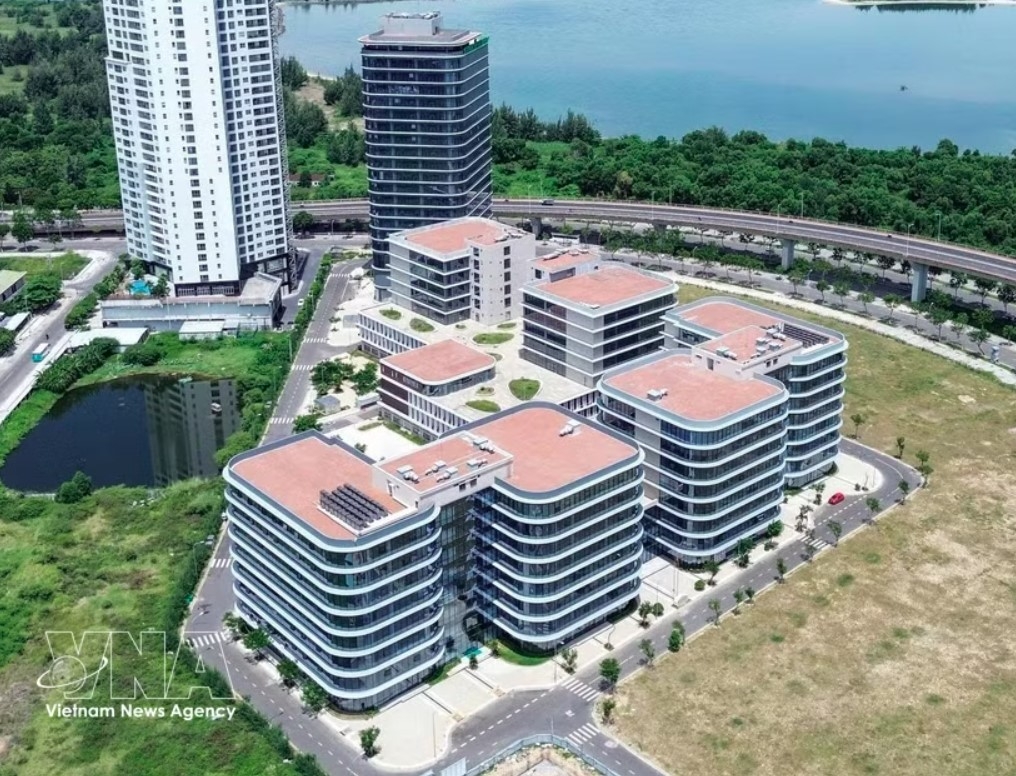
With the establishment of the Vietnam International Financial Centre (VIFC) in Ho Chi Minh City and Da Nang, Vietnam hopes to accelerate financial cooperation with international investors by setting special conditions for working with Vietnamese assets.
According to an article published on Russia’s Geofor Analytics on November 2, the case for VIFC stems from the country’s need for capital in infrastructure, energy, industry and the digital economy. Realised foreign direct investment (FDI) hit US$21.07 billion in the first nine months of 2026, up 12.1% year on year, while the registered figure totalled US$50.36 billion. The World Bank puts Vietnam’s sustainable development funding need at about US$25 billion a year, with private capital and capital markets expected to carry much of the load.
VIFC is built as a unified two-hub model with complementary mandates. Ho Chi Minh City focuses on capital markets, investment funds, asset management, M&A, trade finance and infrastructure financing. Da Nang targets fintech, digital payments, asset tokenisation and sandbox trials.
The incentive package is designed to pull in cash and talent, including tax breaks, foreign exchange flexibility and international recruitment. New projects in priority sectors can obtain a 10% corporate income tax rate for 30 years, up to four years of exemption and a 50% tax cut for up to nine more years. Selected foreign currency transactions get their own mechanism.
For Russia, Geofor Analytics sees VIFC as a new financial lane alongside trade, energy and industry. Vietnam–Russia trade hit US$4.77 billion in 2025, up 4%, generating demand for payments, bank guarantees, letters of credit, transport insurance and trade finance. VIFC financial entities can capture that business if they clear legal and commercial hurdles.
Energy is the next test. Oil and gas projects and the Ninh Thuan 1 nuclear power plant buildout could drive demand for investment financing, risk insurance and working capital for contractors and equipment suppliers. Russian firms with strengths in digital banking, payments, risk management software and cybersecurity could also find partners in Vietnam, especially in Da Nang.
The bottom line is that VIFC’s prospects hinge on attracting international financial entities, generating steady deal flow, building a liquid capital market and delivering credible dispute settlement. Meeting those tests, VIFC can become a meaningful complementary channel for Vietnam–Russia cooperation across finance, energy, industry and technology.
VIFC needs to build trust, ensure stable investment climate
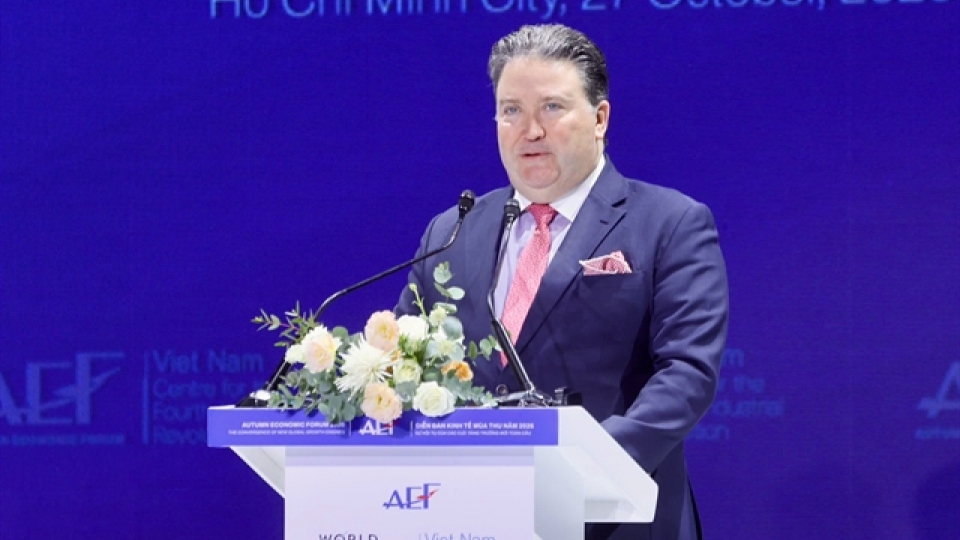
The ability to attract international capital of the Vietnam International Financial Centre (VIFC) not only depends of its legal foundation, but also how it can inspire trust from international investors, according to a panel discussion as part of Ho Chi Minh City’s Autumn Economic Forum on October 27.

