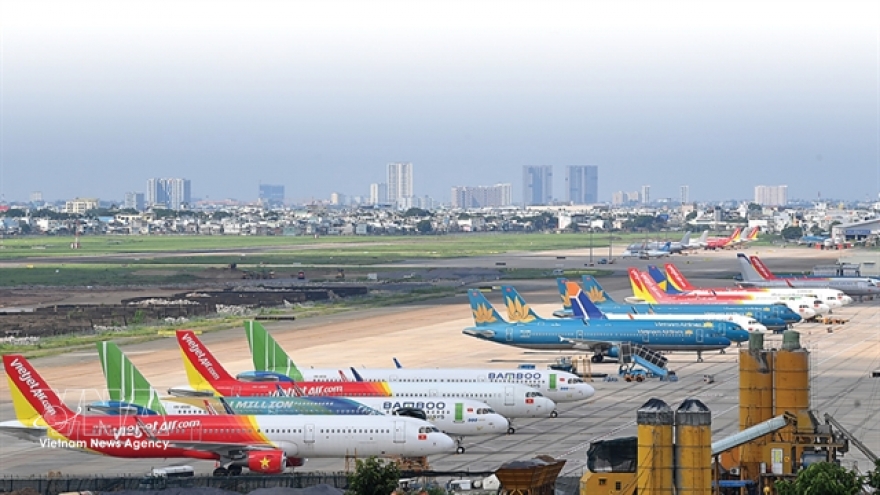
Measures sought to balance airfare pressures ahead of summer peak

Vietnam’s aviation sector is facing mounting cost pressures as it prepares for the long Reunification Day (April 30)–May Day (May 1) holiday and the summer travel peak, with surging fuel prices posing a critical challenge to fare management and operational sustainability.
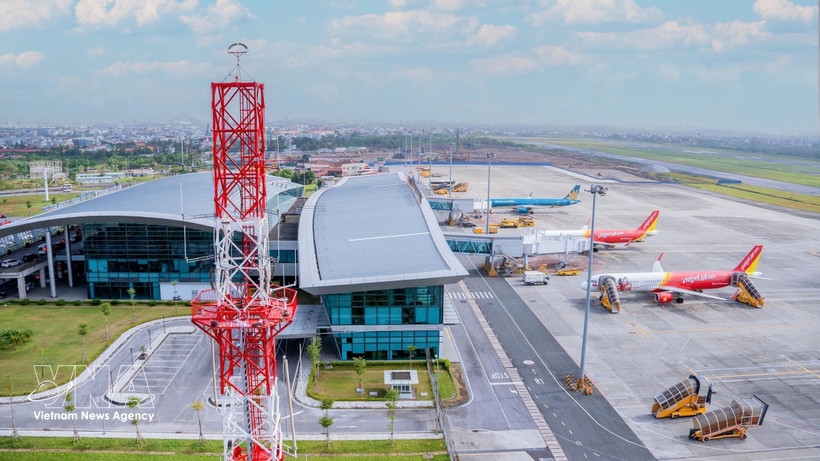
Fuel costs, which account for 35–40% of total operating expenses, have risen sharply in recent time, placing airlines under strain. According to the Ministry of Construction, operating costs have increased by 50–60% for Vietnam Airlines, around 30% for Sun Phu Quoc Airways, while VietJet Air has seen additional expenses of approximately VND2 trillion (US$75.9 million) per month.
Meanwhile, MOPS Jet A-1 Singapore fuel prices now hover around US$160 per barrel and are forecast to continue rising, potentially nearing US$170 due to ongoing geopolitical tensions and constrained supply. The International Air Transport Association estimates that such increases could push airline operating costs up by 50–60%, and by over 70% if prices climb to US$200 per barrel.
In addition to fuel volatility, conflicts in the Middle East have forced airlines to reroute flights to avoid restricted airspace, increasing flight times, fuel consumption, crew costs and maintenance expenses. Rising overflight charges and insurance premiums have further compounded operational costs.
Facing these pressures, airlines are implementing a range of adaptive measures. A representative of Vietnam Airlines said the carrier is drawing on fuel reserves while accelerating fuel-saving initiatives to sustain operations in the short term. However, if fuel prices approach US$200 per barrel, airlines could face a scenario where “the more they fly, the greater the losses.”
To mitigate risks, Vietnamese carriers are restructuring flight schedules from April, prioritising core domestic and strategic international routes while suspending less efficient services. At the same time, they are preparing to introduce fuel surcharges on international routes.
Globally, more than 60% of airlines have already implemented or are planning fare adjustments or fuel surcharges since mid-March, according to a survey by the Civil Aviation Authority of Vietnam (CAAV). Some carriers, including Air France, Thai Airways and United Airlines, have incorporated fuel costs directly into ticket prices, with increases typically ranging from 5 to 20%. Others, such as Malaysia Airlines and All Nippon Airways, have applied separate fuel surcharges, varying widely depending on distance and service class.
For air cargo, carriers like Lufthansa and Korean Air have also imposed fuel surcharges at VND17,000 – 40,000/kg, further affecting logistics costs.
Currently, Vietnamese airlines are formulating plans to introduce fuel surcharges on international routes, which may be implemented from early April.
According to agents and ticket offices, VietJet Air has announced adjustments to its fuel surcharge (YQ) for all direct international routes (excluding Japan and the Republic of Korea), as well as all connecting international itineraries, applicable to departing flights.
Regulators have emphasised the need for balanced solutions. Authorities are reviewing fare frameworks to ensure flexibility in response to fuel price fluctuations, while maintaining affordability for passengers and avoiding supply disruptions. CAAV has instructed airlines to optimise costs, safeguard cash flow, and maintain stable operations, particularly during peak travel periods.
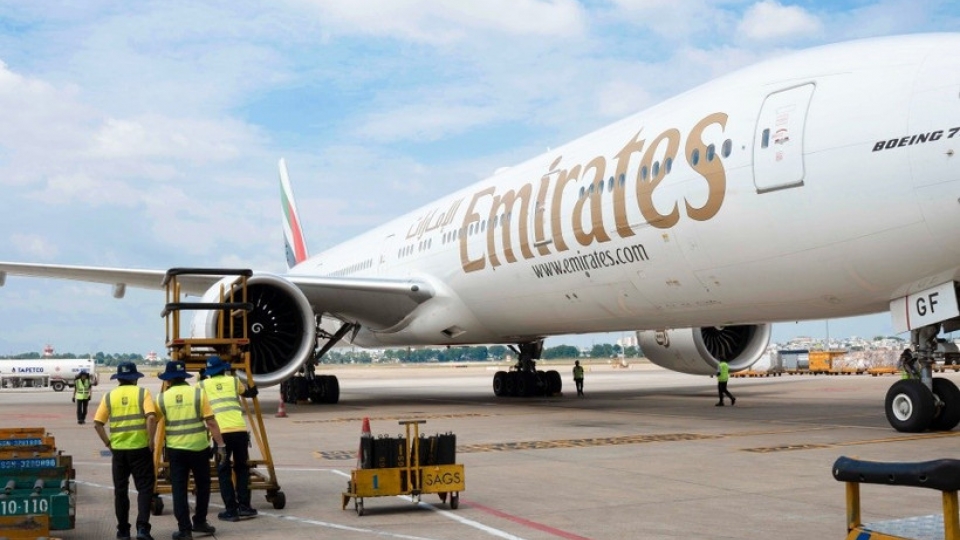
CAAV orders full safety lockdown as Middle East conflict escalates
As military hostilities in the Middle East intensify, the Civil Aviation Authority of Vietnam (CAAV) has directed all aviation units to adopt comprehensive measures to guarantee absolute flight safety, maintain uninterrupted air transport services, and minimise risks to passengers and carriers.