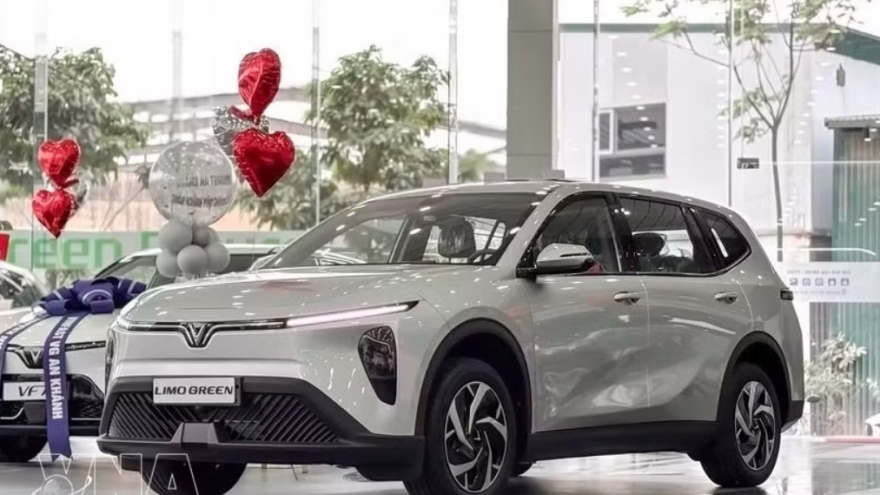
Hybrid vehicles gain momentum in Vietnam as consumer demand shifts

VOV.VN - Hybrid vehicles are rapidly gaining traction in Vietnam, emerging as a key growth segment as consumers increasingly shift toward fuel-efficient and lower-emission mobility options.
After a temporary slowdown during the Lunar New Year holiday, the automotive market rebounded strongly in March 2026, with hybrid models posting standout growth compared to other segments.
A sharp surge in sales
According to data from the Vietnam Automobile Manufacturers’ Association, hybrid vehicle sales reached 3,146 units in March alone, marking a sharp 181% increase month on month. The surge highlights a clear shift in consumer preferences toward electrified vehicles.
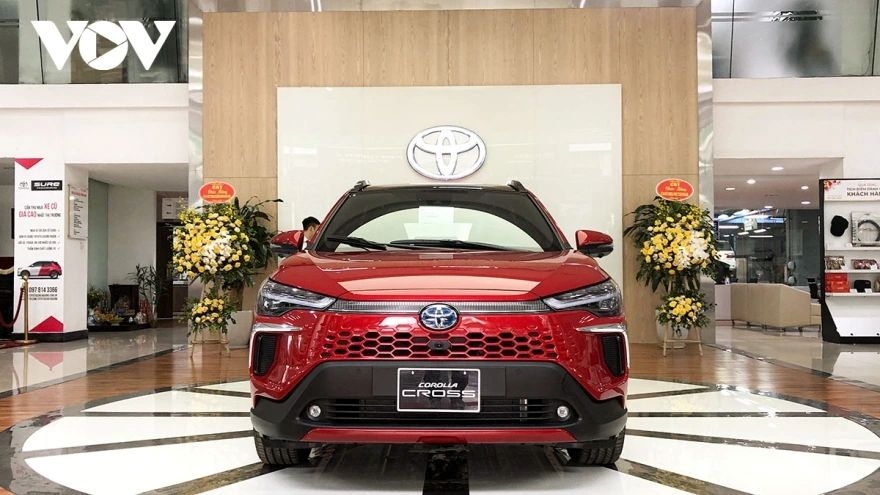
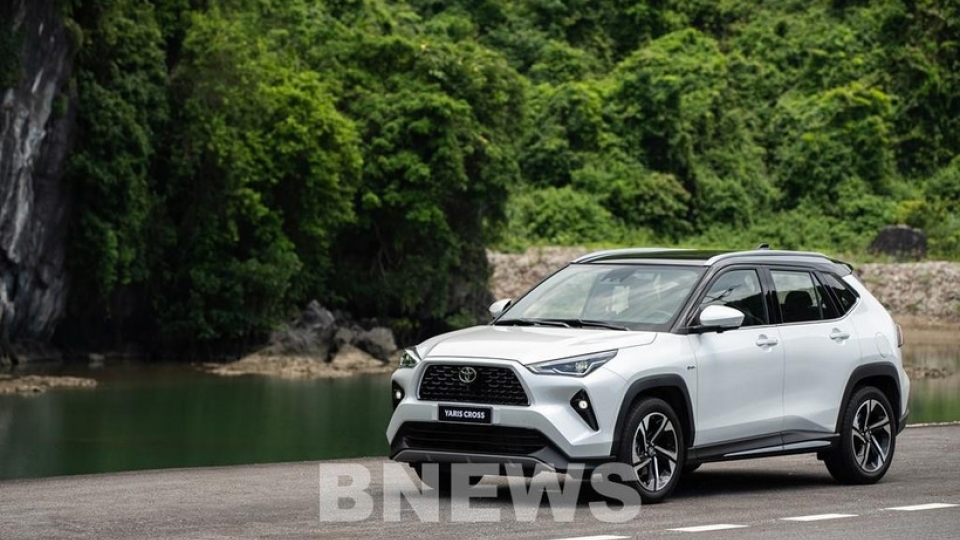
Among automakers, Toyota continues to dominate the hybrid segment, with models such as the Toyota Innova Cross, Toyota Corolla Cross, and Toyota Yaris Cross ranking among the best sellers. The Innova Cross has led the segment, while multiple Toyota models consistently appear in the top 10, underscoring the brand’s strong position in Vietnam’s electrification trend.
In the first quarter of 2026, total hybrid sales exceeded 5,100 units, more than doubling year on year. Several models recorded remarkable growth, including the Yaris Cross HEV (up over 600%), Honda Civic e:HEV (up over 300%), and the Toyota Alphard Hybrid (up more than 260%), despite being positioned in the premium segment.
The Innova Cross HEV remained the top-selling hybrid, with nearly 1,200 units sold in the first three months of the year, reflecting sustained consumer appeal.
Policy incentives and changing consumer mindset
The rapid growth of hybrid vehicles is driven by a combination of policy support and evolving consumer preferences. Since early 2026, tax incentives on special consumption tax for hybrid vehicles have taken effect, helping reduce costs and enabling manufacturers to adjust pricing strategies.
The Government’s Decree 360/2025 sets the tax rate for hybrid vehicles at 70% of that applied to internal combustion engine (ICE) cars, provided gasoline accounts for no more than 70% of total energy consumption. Following the policy, several automakers, including Toyota and Honda, adjusted retail prices downward for hybrid models.
However, beyond pricing, a more fundamental factor lies in shifting consumer awareness. Buyers are increasingly prioritising fuel efficiency and lower emissions, while still expecting strong performance and driving flexibility.
Hybrid vehicles meet these expectations by offering improved fuel economy compared to conventional gasoline cars, without relying on charging infrastructure like fully electric vehicles.
Market data also shows that hybrid variants of certain models are outselling their gasoline counterparts, reflecting a broader transition toward technology-driven purchasing decisions.
As Vietnam accelerates its transition toward greener mobility, hybrid vehicles are emerging not only as a fast-growing segment but also as a practical bridge toward full electrification, particularly as electric vehicle infrastructure continues to develop.
Toyota Vietnam posts 58% hybrid car sales gain in 2025 on high demand
Toyota Motor Vietnam sold 1,082 hybrid vehicles in December 2025, pushing full-year hybrid deliveries to 8,474 units, a 58% increase from 2024, signaling growing preference among Vietnamese buyers for fuel-efficient models that maintain practical performance.