


Ho Chi Minh City promotes future technology cooperation with India

VOV.VN - Ho Chi Minh City is seeking to strengthen bilateral cooperation with India in science, technology and innovation, focusing on strategic technologies, high-quality workforce development and the commercialisation of research to support technology-driven growth.
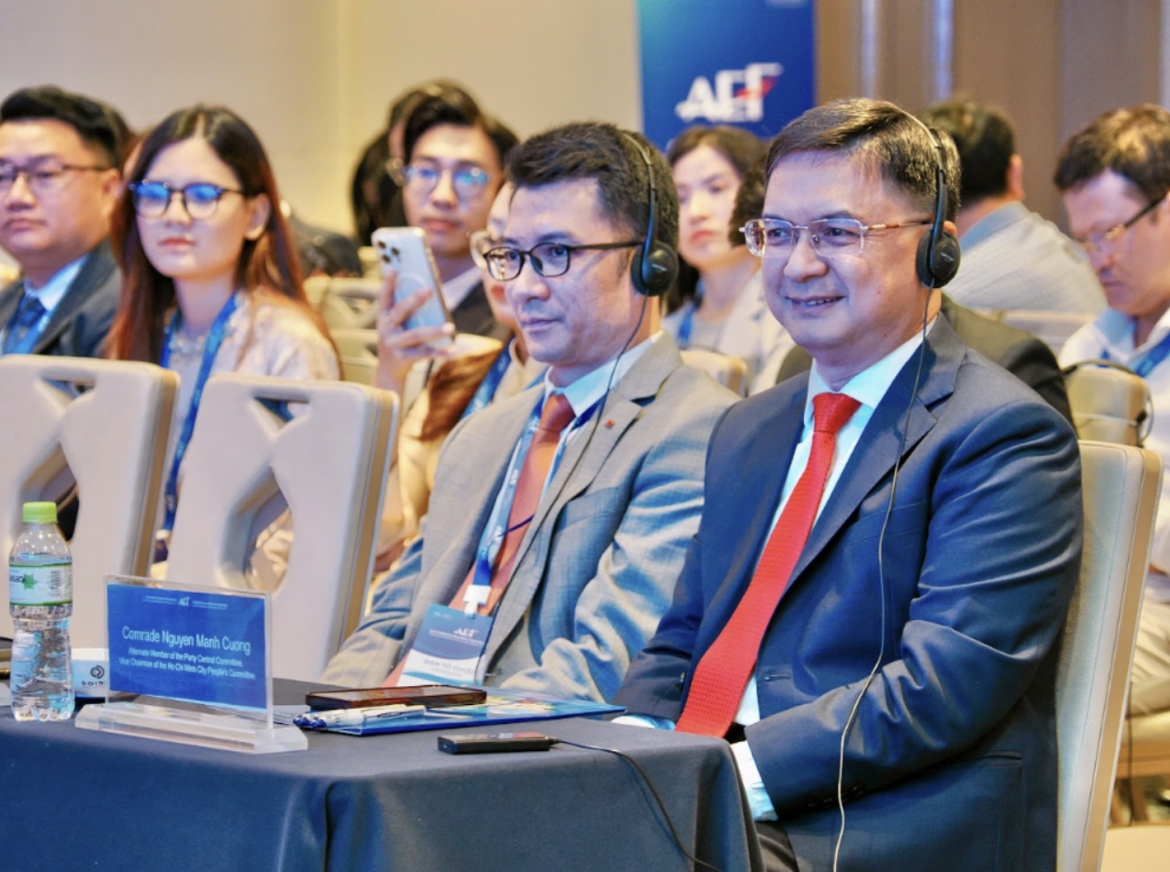
Held in Ho Chi Minh City on October 26 as part of the Autumn Economic Forum 2026, the event was organised by the Ho Chi Minh City Centre for the Fourth Industrial Revolution (HCMC C4IR) in coordination with the Consulate General of India in the city.
Turning cooperation potential into technological development
Speaking at the forum, Nguyen Manh Cuong, vice chairman of the Ho Chi Minh City People’s Committee, emphasized that artificial intelligence (AI), digital infrastructure, semiconductor technology and automation are reshaping production, governance and market connectivity.
In this context, competitive advantage depends not only on access to technology but also on the ability to conduct research, absorb and master new technologies, and apply them to specific development challenges.
Cuong stressed that no country, city or business could independently develop all the technological capabilities it needed. International cooperation should therefore centre on building shared capabilities and generating tangible benefits for people and businesses.
He noted that the merger of Ho Chi Minh City with Binh Duong and Ba Ria–Vung Tau, effective from July 1, 2025, has expanded the city’s development space, linking financial, commercial and service centres with high-tech industrial zones, seaport systems and the marine economy. This provides a foundation for a polycentric development model and greater participation in global value chains.
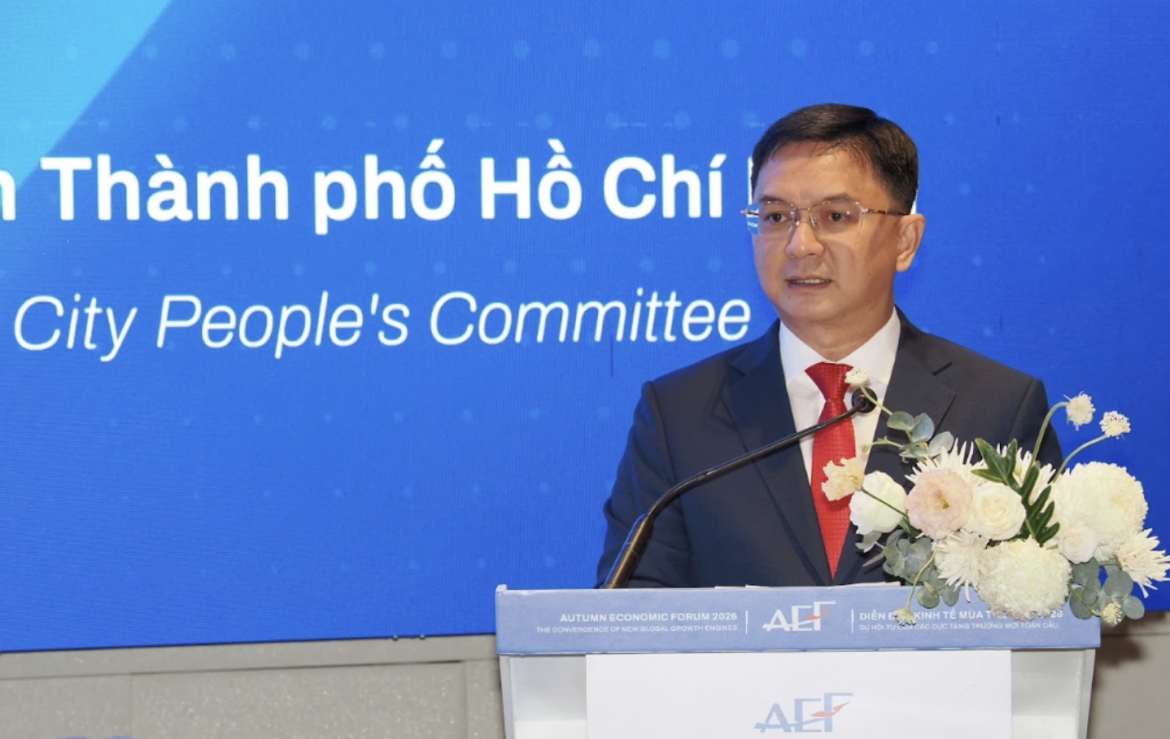
The city is developing an ecosystem for strategic technologies, including AI, semiconductors, data infrastructure, computing and digital technologies for urban governance. It is also seeking to develop a highly skilled technology workforce, attract research and development centres, and establish testbeds for emerging technologies.
With its large market, network of universities and research institutes, and dynamic business community, Ho Chi Minh City hopes to become a destination for Indian partners to conduct research, invest in, test and develop new technologies.
Three priorities for bilateral cooperation
The city official outlined three key areas for cooperation between Ho Chi Minh City and India, beginning with the development of a high-quality technology workforce through closer alignment between training and business needs.
The city looks to expand cooperation with Indian universities, research institutes and businesses in specialist training, digital skills development, academic exchanges and training programmes linked to practical projects.
The second priority is to promote applied research and technology transfer in response to development needs. Areas of focus include AI, public digital infrastructure, semiconductors, smart manufacturing, urban governance, logistics and environmental technologies.
Cuong stressed that technology initiatives could only deliver results when organisations are ready to adopt them, qualified personnel were available and conditions allowed them to be scaled up. Cooperation should therefore be linked to practical applications while strengthening Vietnamese partners’ ability to master the technologies involved.
The third priority is to connect innovation ecosystems and accelerate technology commercialisation. The city aims to strengthen links among government agencies, businesses, research institutions, universities, start-up support organisations and investors to turn promising ideas into practical products, services and business models.
Cuong expressed hope that discussions at the forum would lead to concrete initiatives in research, training, technology applications and commercialization, supported by clearly identified partners and implementation plans.
In his remarks, Indian Ambassador to Vietnam Tshering Wangchuk Sherpa said bilateral relations provide a favourable foundation for expanding cooperation in information technology, science, technology and innovation.
He noted that the two countries have identified opportunities to collaborate in biotechnology, marine science, advanced materials, AI, information technology and quantum computing.
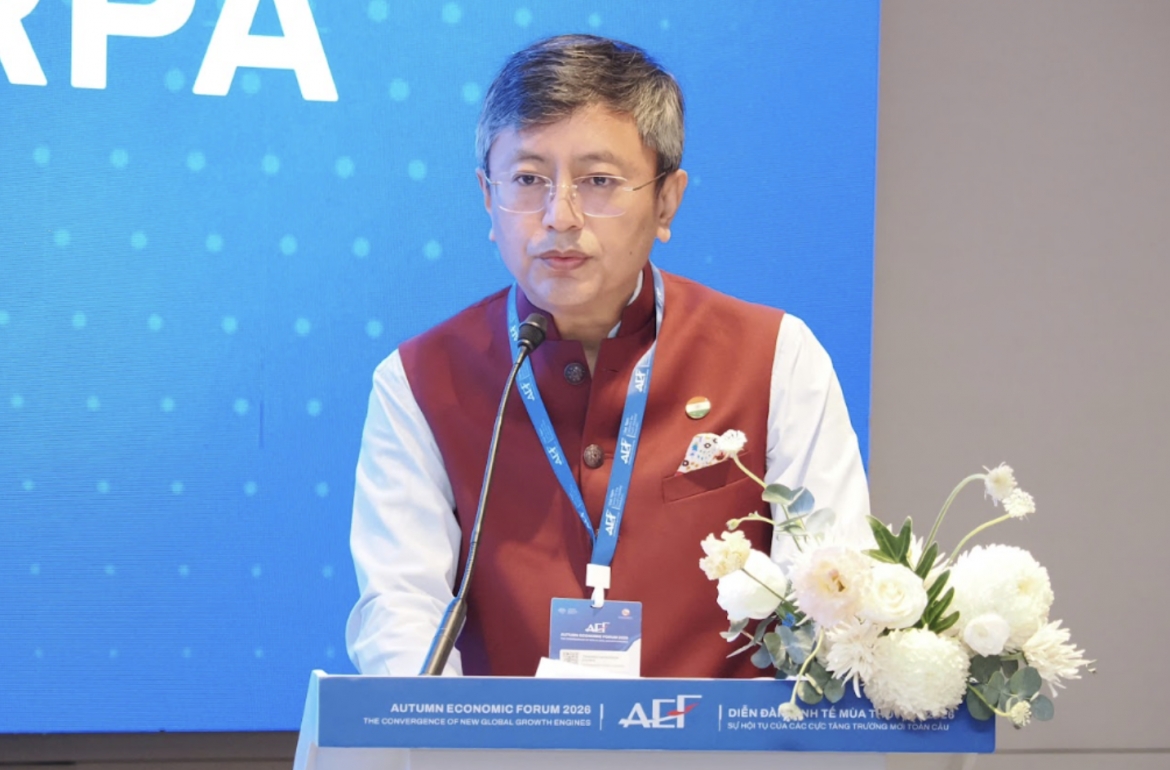
Sherpa proposed connecting the start-up ecosystems of Ho Chi Minh City and Mumbai and strengthening cooperation between educational and research institutions in the two cities. These efforts could expand exchanges among students and scientists and facilitate joint research projects.
He also underscored the need to translate digital technology cooperation agreements into concrete activities, highlighting HCMC C4IR’s role in connecting stakeholders and advancing bilateral collaboration.
A thematic discussion at the forum focused on opportunities for cooperation in research, training, technology applications and commercialisation. The programme aims to identify three to five priority cooperation initiatives and consider selecting one or two pilot projects for implementation over the next 12 to 24 months.
Vietnam, India push tourism and aviation cooperation at Uttar Pradesh forum
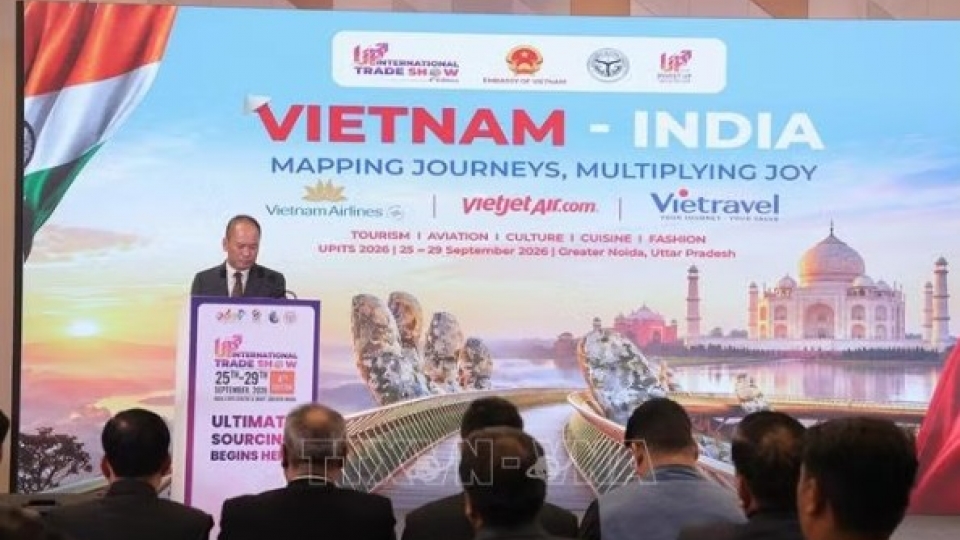
VOV.VN - Delegates from Vietnam and India gathered on September 25 at the India Expo Centre & Mart in Greater Noida to boost bilateral cooperation in tourism and aviation, held under the theme "Mapping Journeys, Multiply Joy" within the framework of the Uttar Pradesh International Trade Show 2026 (UPITS 2026).


