


Fruit, vegetable, and seafood exports poised for year-end breakthrough

VOV.VN - Vietnam's fruit and vegetable exports reached US$8.3 billion in the January-October period, up 17.2% year-on-year, while seafood exports maintained positive growth momentum, raising expectations for accelerated agro-forestry-fisheries exports in the final months of the year.
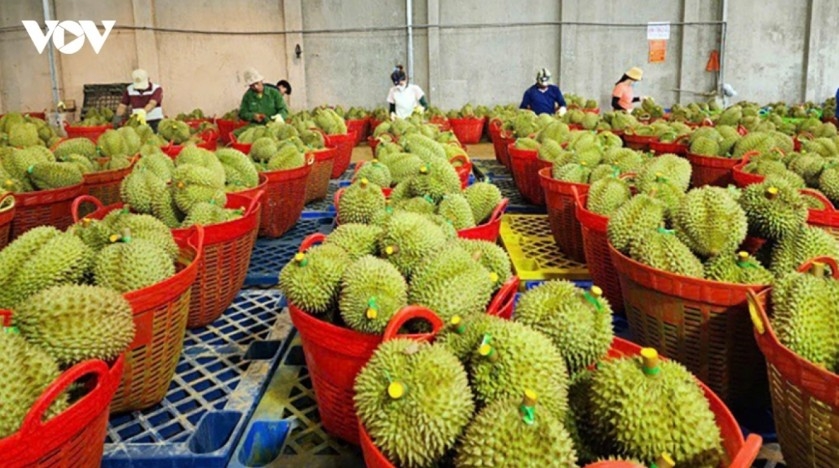
According to the Vietnam Fruit and Vegetable Association, export prospects for the rest of the year stay bright with consumer demand in China, wider Asia, Europe, and the Americas climbing ahead of the holiday season.
November and December mark the period when markets step up imports to serve year-end consumer demand. Beside dragon fruit, fresh coconut, passion fruit, grapefruit, and mango, processed fruit and vegetable products, such as dried, frozen, and canned items, are expected to contribute positively to export turnover, offsetting the decline in fresh durian supply as its peak harvest season ends.
The Department of Quality, Processing and Market Development notes that to fully capitalize on market opportunities, enterprises must focus on quality control right from raw material stages, strictly complying with regulations on growing area codes, packaging facility codes, and origin traceability.
As import markets tighten technical barriers, quality and standard compliance decides immediate export opportunities while serving as the key factor to retain markets and ensure sustainable growth.
Fisheries exports increased nearly 4% year-on-year. Figures from the Ministry of Agriculture and Environment show total national fisheries output reached 7.89 million tonnes over the first nine months of 2026, up 3.9% over the same period last year. Aquaculture continued as the primary growth driver with an output of 4.86 million tonnes, while seafood export turnover fetched US$9.7 billion.
According to the Department of Fisheries and Fisheries Surveillance, contributing to overall agro-forestry-fisheries export targets for 2026 requires the seafood sector to maintain roughly US$1 billion per month in turnover during the final months of the year.
This applies to both wild capture and aquaculture, particularly in securing raw material supplies for processing and export. The sector must accelerate technological application, control diseases, boost production efficiency, and strengthen linkages between farmers, fishers, and processing-exporting enterprises. These measures will ensure supply autonomy, stabilize raw material quality, and meet increasingly stringent import market demands.
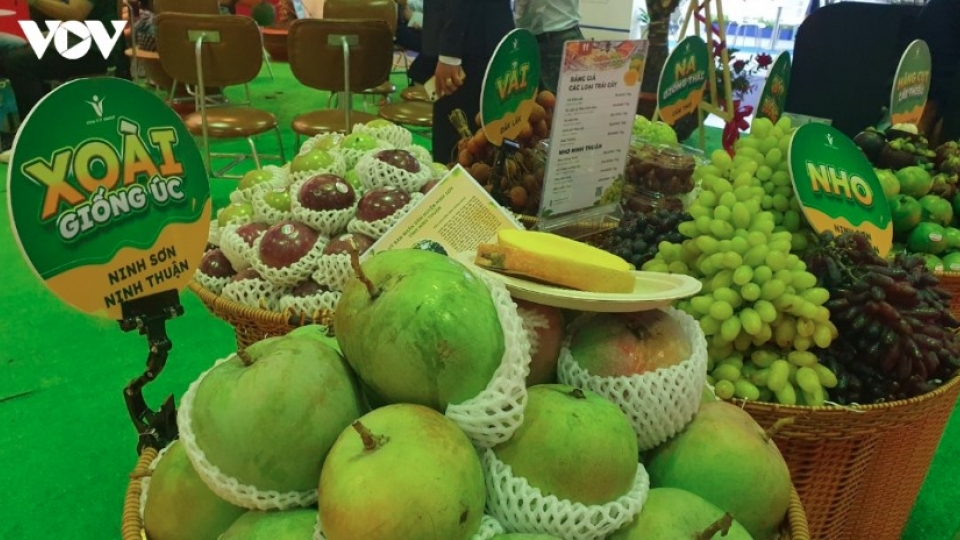
Fruit and vegetable exports exceed US$1 billion for second straight month
VOV.VN - Vietnam's fruit and vegetable exports surpassed the US$ 1 billion mark for the second second consecutive month in August, with turnover estimated at US$ 1.37 billion, according to the Ministry of Industry and Trade.
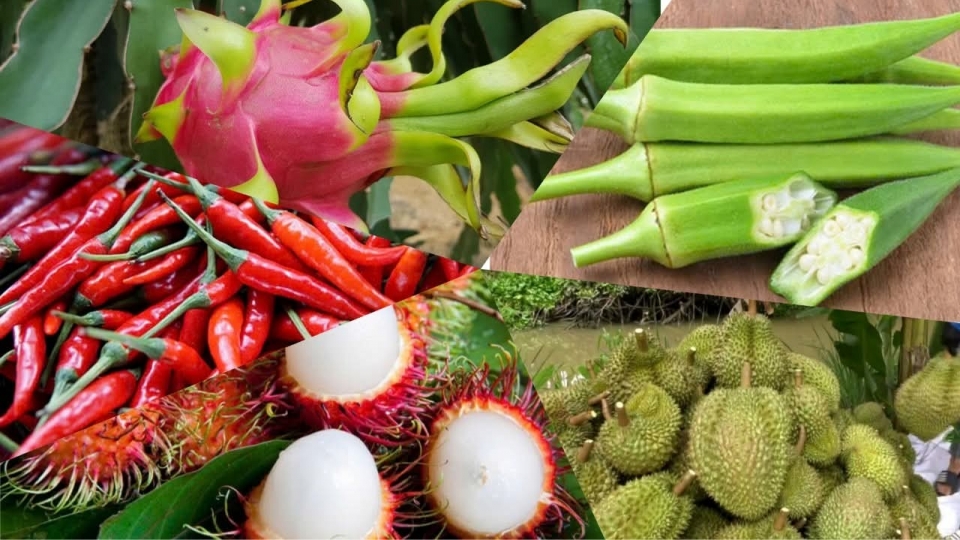
Fruit and vegetable exports projected to maintain positive growth in Q3
VOV.VN - Vietnam’s fruit and vegetable exports are expected to gain further momentum in the third quarter as demand recovers in major markets and India opens its market to fresh Vietnamese durian, supporting the sector’s push toward US$9.5-10 billion in export revenue in 2026.


