French professor suggests sustainable energy transition path for Vietnam

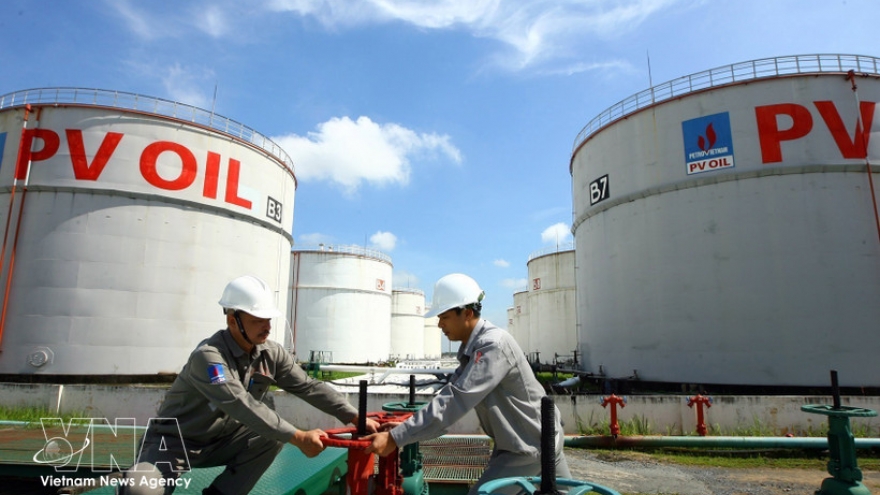
Vietnam still relies significantly on imported fossil fuels, indicating the urgent need to transition toward a more sustainable energy system not only to meet climate commitments but also to ensure long-term energy security.
Talking to the Vietnam News Agency, Professor Marc Fontecave of the Collège de France and member of the French Academy of Sciences emphasised that electrification should be the central pillar of this transition. Shifting sectors such as transport and industry, as well as daily activities toward electricity use can significantly reduce dependence on fossil fuels. However, this requires that electricity be generated from clean energy sources.
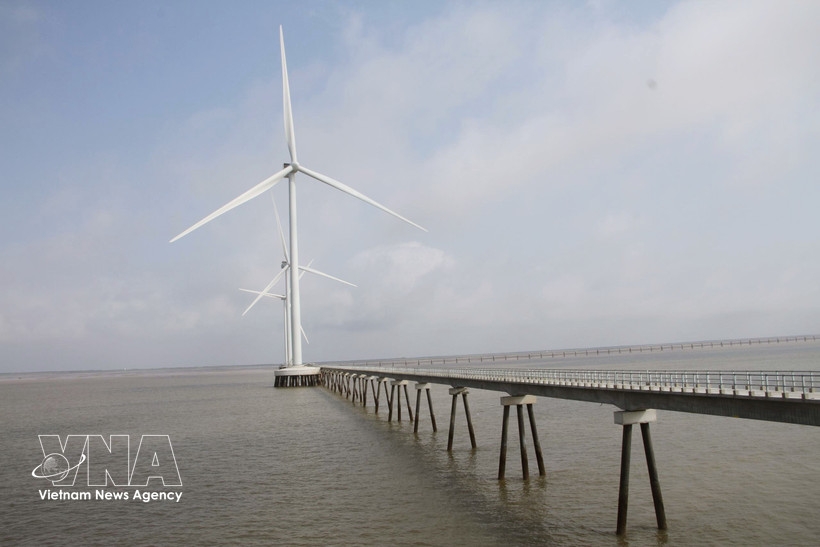
With favourable natural conditions, he noted, Vietnam holds strong potential for solar and wind energy development, alongside the need to invest in energy storage systems to ensure grid stability.
In addition to renewables, nuclear energy is considered a strategic long-term option, the professor said, adding that it serves as a stable electricity source with near-zero emissions and does not rely on fossil fuels.
However, nuclear development demands substantial investment, long timelines, and highly skilled human resources, requiring careful planning and a long-term vision, he opined.
Equally important is reducing energy demand. Expanding public transport systems such as railways, metro lines, and buses can lower fuel consumption, reduce emissions, and improve environmental quality, according to the professor.
Fontecave underscored that energy transition is a long-term journey that needs persistence and sustained investment. While results cannot be achieved overnight, immediate action is essential.
Electrification and the development of low-carbon energy sources remain the two key pillars, not only to address current crises but also to build a sustainable, secure, and self-reliant energy future as in line with Vietnam’s strategic goals outlined in the Politburo’s Resolution No. 70-NQ/TW on national energy security through 2030, with a vision to 2045, he added.
Vietnam accelerates roadmap for green energy transition
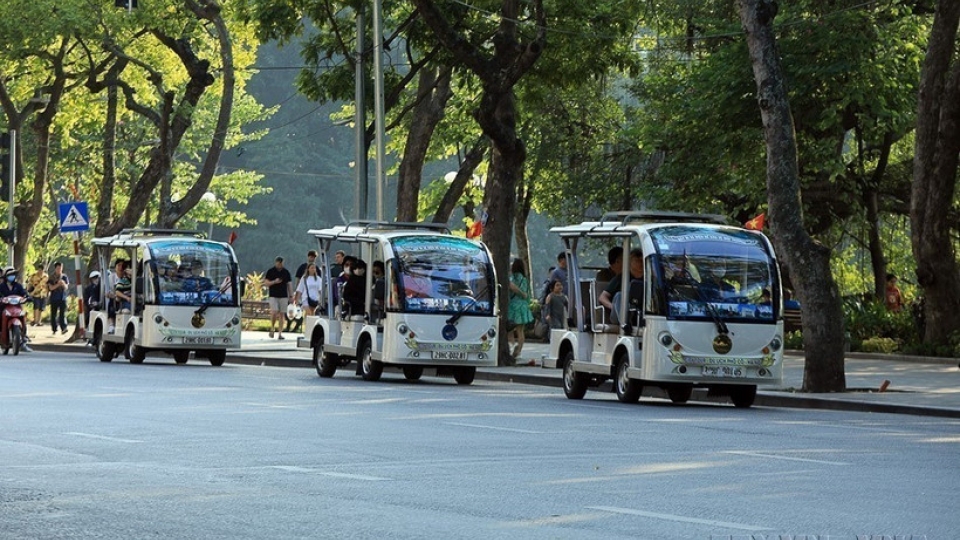
Stricter control of vehicle emissions is seen as a key step in tackling urban air pollution in Vietnam, towards the Net Zero target by 2050.