


Foreign investors eye new growth opportunities in HCM City

As international capital is moving toward high technology, modern infrastructure and sustainability, Ho Chi Minh City remains a magnet for foreign investors thanks to its market size, new development space and institutional reforms.
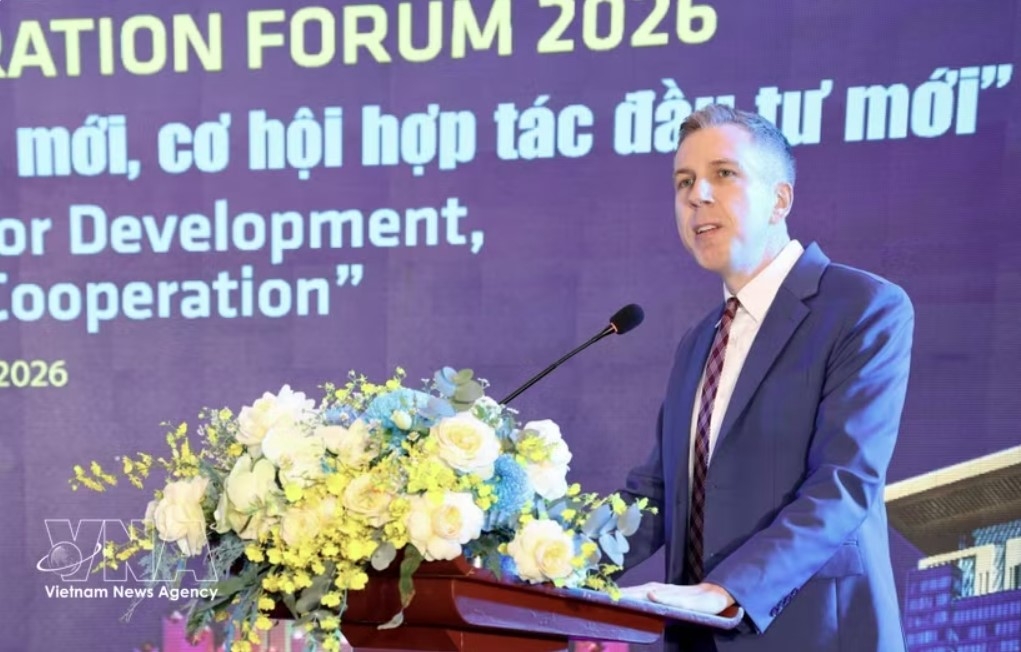
But turning that potential into quality projects will require more transparency, predictable policy, secure energy and seamless infrastructure, heard the Ho Chi Minh City Investment Cooperation Forum 2026, themed “Ho Chi Minh City – New Space for Development, New Opportunities for Investment Cooperation” hosted by the Ho Chi Minh City Investment and Trade Promotion Centre (ITPC) and Fortune Asia magazine on November 2.
Chasing quality capital
ITPC Director Pham Quang Nhat said the city drew US$19.1 billion in FDI in the first 10 months of 2026, equal to 73.9% of the annual plan. It now has more than 22,036 valid projects valued at over US$157.4 billion, still the country’s top FDI destination.
Capital is shifting toward bigger projects with more technology and longer horizons. That reflects not just market advantages but investor expectations for the city’s next phase, he said.
Nhat cited three trends: capital is moving from breadth to depth, with a focus on high technology and digital infrastructure; investors are more interested in infrastructure and logistics projects with long-term momentum, as shown by the Can Gio International Transshipment Port, worth more than US$4.9 billion, just granted an investment registration certificate with one of the world’s top container port operators; and foreign confidence is turning into real cash.
During January–October, operating projects registered nearly US$5.7 billion in additional capital, while more than 1,611 turns of foreign investors contributed capital to or bought shares in domestic companies.
Nguyen Loc Ha, Standing Vice Chairman of the municipal People’s Committee, said the shifts come as the city gains more development space from its administrative boundary expansion with combined advantages in finance, services, industry, seaports and logistics.
As a leading national economic engine, it has a big consumer market, a dynamic business community and developed financial and commercial services. The new space links the service and innovation hub with the industrial base and deep-water ports. Special mechanisms and policies widen room to grow, while the administration is working to improve service quality, information transparency and inter-sector coordination, he added.
According to him, the city is targeting double-digit growth and aims to become an Asian economic, financial and service hub by 2045. It wants long-term partners in strategic infrastructure, high technology, finance, logistics and green energy, and favours projects tied to technology transfer, advanced governance and workforce development.
Ho Chi Minh City also encourages innovation, urban development, trade and quality tourism, and seeks stronger links between foreign and domestic companies, universities and research institutes to lift its presence in global value chains, Ha went on.
Dr. Andrew Staples, Editorial Director of Fortune Asia, said companies in the Fortune Southeast Asia 500 rankings for 2026, based on 2025 financial data, posted total revenue of US$1.88 trillion, up 3.4%, and total profit of US$150 billion.
The 72 Vietnamese companies on the list had total revenue of US$177.9 billion, up 10.5%, three times the Southeast Asian average growth. They contributed about a quarter of the rankings' total revenue growth even though their initial revenue share was under 10%.
That shows the potential of Vietnam’s corporate sector and opens room for cooperation with global firms in industrial capacity upgrading, automation, electrification, energy management, advanced materials and resource-efficient production. Opportunities also lie in developing local suppliers, technical skills training, attracting international experts and connecting capital through equity investment, joint ventures and project financing, he said.
Investors want predictability, power, transparency
Travis Mitchell, Executive Director of the American Chamber of Commerce in Vietnam (AmCham), said Vietnam, especially Ho Chi Minh City, is well placed to attract US investment thanks to a dynamic startup scene, skilled labour and hi-tech potential. The US is a key export market, taking about 32% of Vietnam’s total export turnover, or about US$130 billion a year.
Mitchell said US companies are most interested in semiconductors, high technology and healthcare. Beyond costs, Vietnam is becoming more competitive because its workforce can meet the demands of advanced technology industries.
The goal of developing about 50,000 hi-tech engineers by 2030 is expected to help Vietnam join global technology value chains more deeply. But attracting and keeping hi-tech projects will require stable electricity supply at reasonable cost. Renewable energy development and better power policy, including Power Development Plan VIII and the power purchase mechanism, will make the business climate more competitive, he said.
He also stressed transparency and policy predictability. Further improving the business environment, promoting research and innovation and enabling technology adoption will give companies confidence to build long-term investment plans, expand and add value in Vietnam.
Wesley Chua, Treasurer and Executive Board Member of the Singapore Business Association in Vietnam (SingCham), said Vietnam has made strides in the legal environment and transport, seaport and logistics infrastructure. The Vietnam–Singapore Industrial Park (VSIP) model in Binh Duong is a strong example of long-term cooperation that attracts investment and deepens economic links between the two countries’ businesses.
In his view, rules on cross-border payments, double taxation avoidance and consistent investment policy directly affect planning, expansion and reinvestment.
As a dynamic economic hub, the city has room to attract more Singapore capital in services, logistics, infrastructure and digital economy. To capture it, it needs better institutional mechanisms, seamless infrastructure and stable energy, he said.
AmCham Vietnam speaks out on new US reciprocal tariffs
In response to US President Donald Trump’s decision to impose a minimum 10% import tariff on all goods and a 46% countervailing duty on Vietnamese imports, the American Chamber of Commerce in Vietnam (AmCham Vietnam) has put forward proposals aimed at balancing the interests of both nations.

