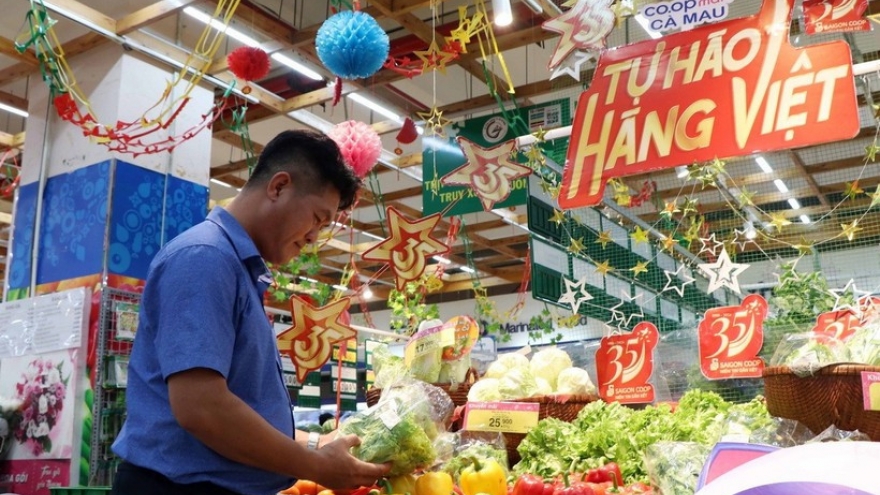
Domestic market emerges as strategic pillar amid global turmoil

Persistent volatility in the global economy, fuelled by geopolitical conflicts, supply chain disruptions and softening trade demand, is elevating the importance of Vietnam's domestic market.
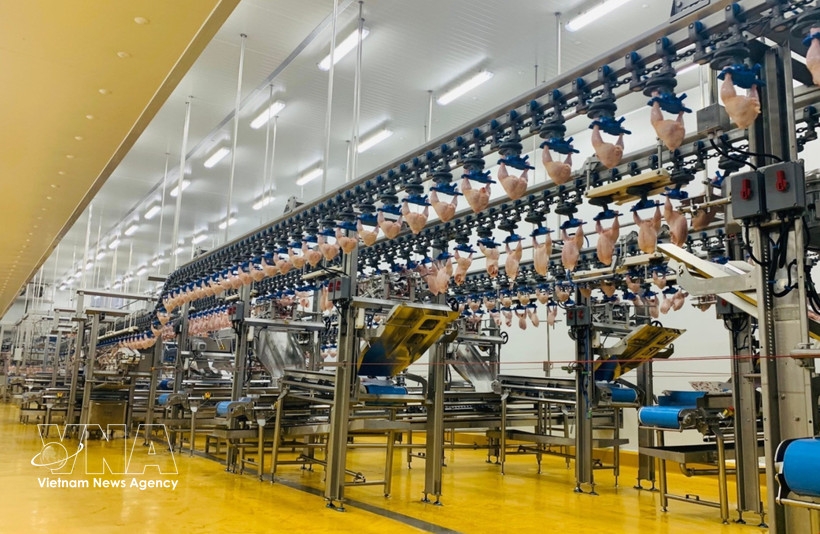
With a population of more than 100 million and accounting for about 60–62% of GDP growth, domestic consumption is shifting from a mere cushion during export slumps to a strategic driver of sustained long-term expansion.
Escalating tensions in the Middle East, especially those between the US and Iran, are rippling through energy markets. Threats to supply via the Strait of Hormuz have driven sharp swings in oil prices and international shipping costs, squeezing logistics expenses, raw-material prices and overall global trade.
Vietnamese exporters are facing heightened pressures as production costs climb, exchange rates fluctuate and demand from key overseas markets stagnates. That makes market diversification and economic resilience more critical than ever. While expanding export destinations remains a priority, harnessing the domestic market is increasingly seen as a fundamental and sustainable solution to keep factories running, stabilise cash flows and support growth despite external headwinds.
Domestic demand has long been integral to Vietnam's economic makeup. For 2026, the Government has targeted 13–15% growth in total retail sales of goods and consumer services revenue, a marked acceleration from the 2025 level. The goal signals a clear push to position domestic consumption as a major engine alongside exports and investment.
Tran Huu Linh, Director of the Agency for Domestic Market Surveillance and Development under the Ministry of Industry and Trade (MIT), said the ministry has acted swiftly to craft a detailed plan for retail facilitation after the Government's Resolution 01/NQ-CP on socio-economic development and state budget estimates for 2026 was issued.
The plan focuses on improving the regulatory framework, upgrading commercial infrastructure, spurring consumption, and tightening market surveillance to foster transparency. More broadly, the domestic market isn't just a tactical stimulus tool, it is a strategic imperative tied to building greater self-reliance in an era of extensive global integration.
Nguyen Sinh Nhat Tan, Deputy Minister of Industry and Trade, said with export challenges mounting, treating the domestic market as a primary target offers manufacturers and exporters a sustainable path forward. It provides a foundation to stabilise manufacturing, broaden distribution and cultivate Vietnamese brands among local buyers.
To that end, the MIT is rolling out a range of measures to stimulate consumption and modernise the domestic market. Short-term efforts include nationwide promotional campaigns, Vietnamese Goods Weeks, OCOP (One Commune, One Product) fairs, and regional trade events to widen distribution channels for local products.
E-commerce stands out as an emerging engine. Tan highlighted the 2026–2030 e-commerce development plan, which will help companies migrate products to digital platforms, establish "standard digital Vietnamese stores", boost digital training and deploy AI, big data and blockchain to optimise supply chains and improve traceability.
Parallel efforts target modern retail networks. Supermarket chains, convenience stores and malls are expanding aggressively while traditional markets undergo upgrades to become cleaner, safer and digitally linked.
A striking recent example: Director Linh's livestream from the "Vitality of Vietnamese Goods" space in Hanoi drew massive attention. The session generated hundreds of orders in hours, underscoring the potential of digital trade promotion tactics.
According to experts, turning the domestic market into a true growth driver demands a full suite of measures, from elevating product quality and brand strength to cutting distribution costs and building robust retail ecosystems for Vietnamese goods.
Tan also stressed that beyond demand stimulation, the sector will keep cracking down on smuggling, fraud and counterfeits to protect consumers and brand integrity. At the same time, the ministry is finalising a range of regulations on e-commerce, traceability, and digital violations to create a more transparent and fair business landscape, he added.

Domestic market gains momentum on trade promotion push
VOV.VN - Vietnam’s domestic production and consumption recorded notable gains in 2025, supported by a series of large-scale trade promotion events that helped diversify marketing channels and strengthen the economy’s resilience.