BIM Group adopts early investment strategy in Ha Long, Phu Quoc

VOV.VN - BIM Group, a Vietnamese conglomerate, has followed a strategy of investing early in markets still at an early stage, from Ha Long city in northern Vietnam to Phu Quoc island in southern Vietnam.
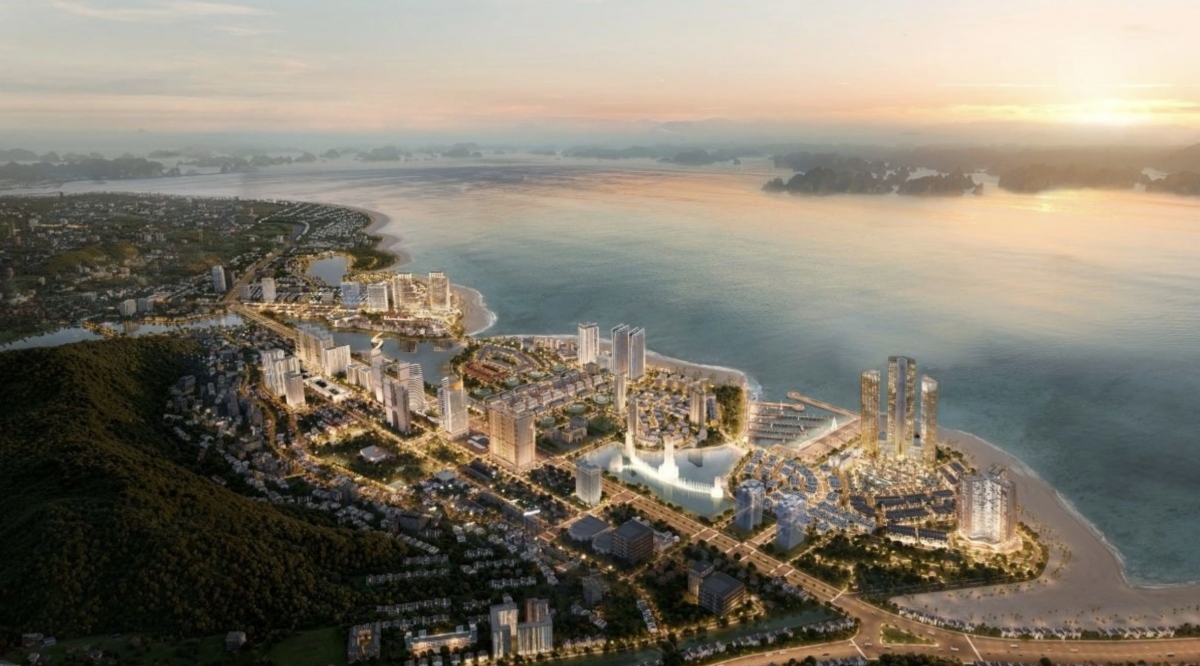
After more than three decades, the group’s total assets have reached about VND57 trillion (over US$2 billion) as of 2025.
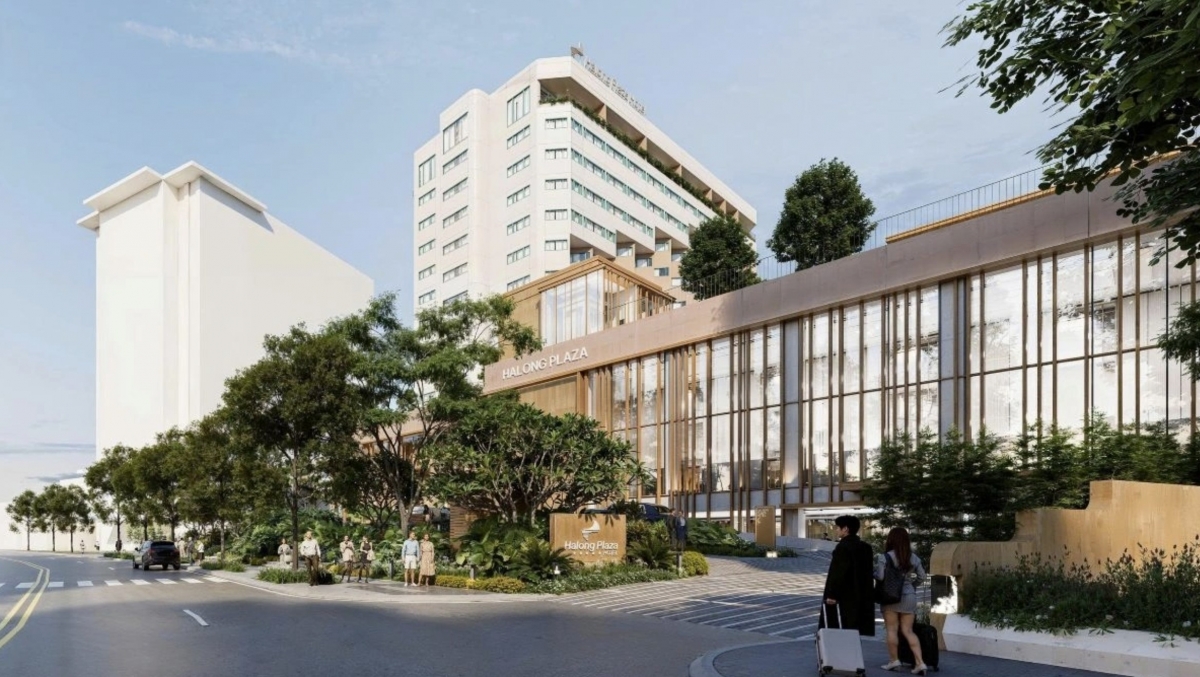
In Ha Long, one of its first projects was the Halong Plaza hotel, built in 1994, when local infrastructure was limited and tourism was still in its early stage. The project became one of the first four-star hotels in the area, marking BIM’s initial presence in northern Quang Ninh province.
In the early 2000s, it carried out a land reclamation project in Hung Thang, leading to the construction of Hoang Quoc Viet road, about 4 km long, creating new land for development in Bai Chay. On this basis, BIM Land developed the Halong Marina urban area under an integrated model, now home to more than 10,000 residents and attracting a high volume of visitors each year.
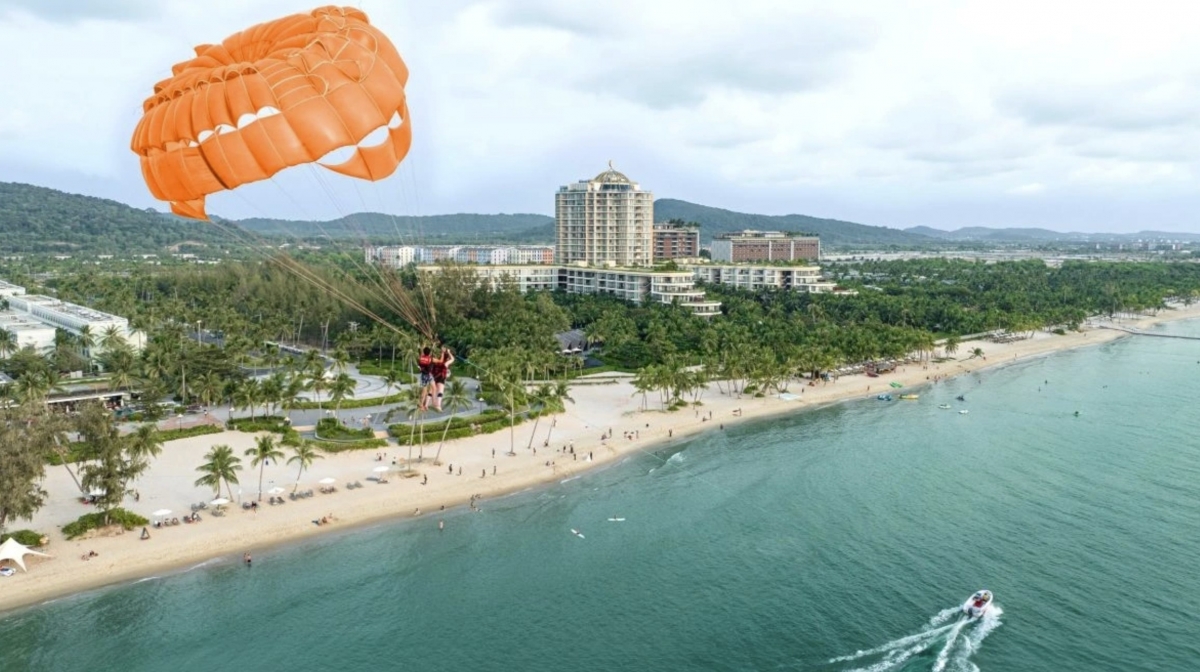
In Phu Quoc, BIM Group began investing in 2004, when infrastructure on the island remained limited and the national power grid had not yet reached it. BIM oriented the development of the Phu Quoc Marina complex with an integrated tourism ecosystem, working with international hotel brands and developing related services such as restaurants, entertainment and yacht services.
Alongside tourism, BIM expanded into industrial salt production in Ninh Thuan, later moving into renewable energy projects. BIM Energy’s projects currently supply about 1 billion kWh of electricity each year to the national grid.
In the next phase, the group said it will continue expanding service ecosystems at its destinations, while preparing new energy projects with a combined capacity of about 1.4 GW and studying urban development in several emerging economic areas.
A group representative said competition in tourism has become increasingly global, with domestic destinations competing directly with international markets. In that context, building complete service ecosystems is an important factor in maintaining long-term competitiveness.
From Quang Ninh and Phu Quoc to Ninh Thuan, many of BIM Group’s projects were launched when markets were still at an early stage. The group said these moves laid the groundwork for expanding its urban, tourism and energy ecosystems in the next phase.

AC Energy, BIM Group initiate US$155 million local wind farm project in Vietnam
VOV.VN - The US Cable News Network (CNN) and business magazine Forbes have published a recent article on the official commercial operation of a US$155 million wind farm project in the nation which is a joint venture between AC Energy of the Philippines and Hanoi-based BIM Group.