Banks strengthen digital shields against online fraud

As financial fraud and online scams become increasingly sophisticated, Vietnamese banks are tightening transaction controls and deploying digital tools to detect risks earlier and better protect customers.
The State Bank of Vietnam (SBV) said that by April 12, more than 3.7 million customer alerts had been issued through the information system for management, supervision and prevention of fraud risks in payment operations (SIMO).
According to reports from participating institutions, more than 1.2 million customers temporarily suspended or cancelled transactions after receiving warnings, involving nearly VND4.17 trillion (US$158.12 million).
Before that date, SIMO had been rolled out at 149 institutions, including 99 credit institutions and 50 payment intermediaries. As of March 23, the platform had collected more than 688,000 records of suspected fraudulent activity.
At the bank level, digital protection systems are also being expanded. At Agribank, the AgriNotify fraud-detection and warning platform has been integrated across Agribank Plus, mobile banking and internet banking services for both internal and interbank transfers. Once customers enter recipient information, the system automatically cross-checks internal data and data from competent authorities to identify abnormal signs. Alerts are classified into three risk levels and displayed instantly, allowing customers to reconsider before completing a transaction.
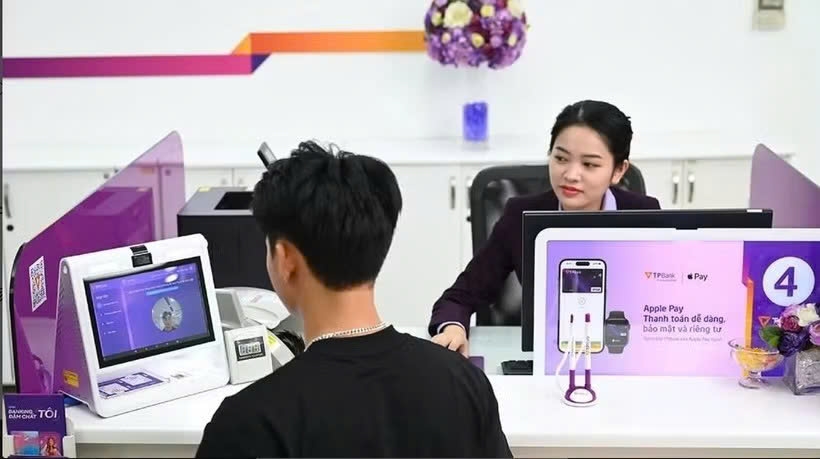
Protection measures are also being extended beyond digital channels. At branch counters, banks including BIDV, VietinBank, Vietcombank and MB have introduced real-time warning mechanisms to provide immediate risk information for customers.
Alongside technical safeguards, lenders continue to urge customers to remain vigilant, protect personal data and confidential credentials, follow risk alerts and comply with transaction safety guidance issued by banks and authorities.
To strengthen payment security, the SBV has required credit institutions and payment intermediaries to tighten risk controls, strengthen transaction monitoring and more closely supervise merchants and payment acceptance units.
Commercial banks must review internal procedures, comply strictly with regulations governing the opening and use of accounts, cards and e-wallets, and verify the legality of payment orders while ensuring account information is displayed fully and accurately.
They are also required to update criteria for identifying suspicious transactions, enhance reporting and data sharing through SIMO, and step up public communications to prevent information leaks and curb practices such as renting or trading bank accounts and e-wallets.
In April, many commercial banks simultaneously halted the automatic splitting of transfers worth VND500 million or more on digital banking platforms.
The move complies with the SBV’s Circular 40/2024 on intermediary payment services. Under the new rules, transactions above that threshold must be processed through regular transfer channels, starting May 1 for individual customers and May 5 for corporate clients.
Banking officials said slowing high-value transfers would improve transparency, strengthen fund monitoring and reduce fraud risks while helping safeguard customer assets.
By the end of the first quarter of 2026, the interbank electronic payment system had processed nearly VND130 quadrillion in transactions, surging more than 70% year-on-year, statistics show.

Bank credit supports high GDP growth in Q1 2026
Credit in the first quarter of 2026 surged by 3.18% against late last year to VND19.18 quadrillion (US$730 billion), supporting Vietnam’s GDP growth of 7.83%, Pham Thanh Ha, deputy governor of the State Bank of Vietnam (SBV), said at an event on April 14.