Kitchen Gods Day highlights Vietnam’s year-end cultural traditions

VOV.VN - Vietnamese people observe Kitchen Gods Day on the 23rd day of the last lunar month, a traditional ritual symbolising family values, moral reflection and hopes for peace and prosperity ahead of the Lunar New Year.
Known in Vietnamese folklore as Ông Công, Ông Táo, the Kitchen Gods are believed to oversee household affairs and family life throughout the year. The annual ceremony is held to bid them farewell as they journey to heaven to report on the family’s conduct, while households express hopes for peace, harmony and prosperity in the year ahead.
A centuries-old cultural tradition
According to folk beliefs, the Kitchen Gods are guardians of the household hearth and daily domestic life. One of the most widely known legends describes three deities - two men and one woman - whose story highlights values of marital loyalty, compassion and self-sacrifice. Though told in various versions, the legend consistently reflects core Vietnamese moral principles such as kindness, fidelity and tolerance.
In popular belief, the Kitchen Gods are not only protectors of the hearth but also silent witnesses to a family’s everyday actions. On the 23rd day of the last lunar month, they are said to ride a carp to heaven to report to the Jade Emperor. As a result, the ritual carries the symbolic meaning of a respectful farewell and a moment of reflection before the new year begins.
Ritual practices and symbolism
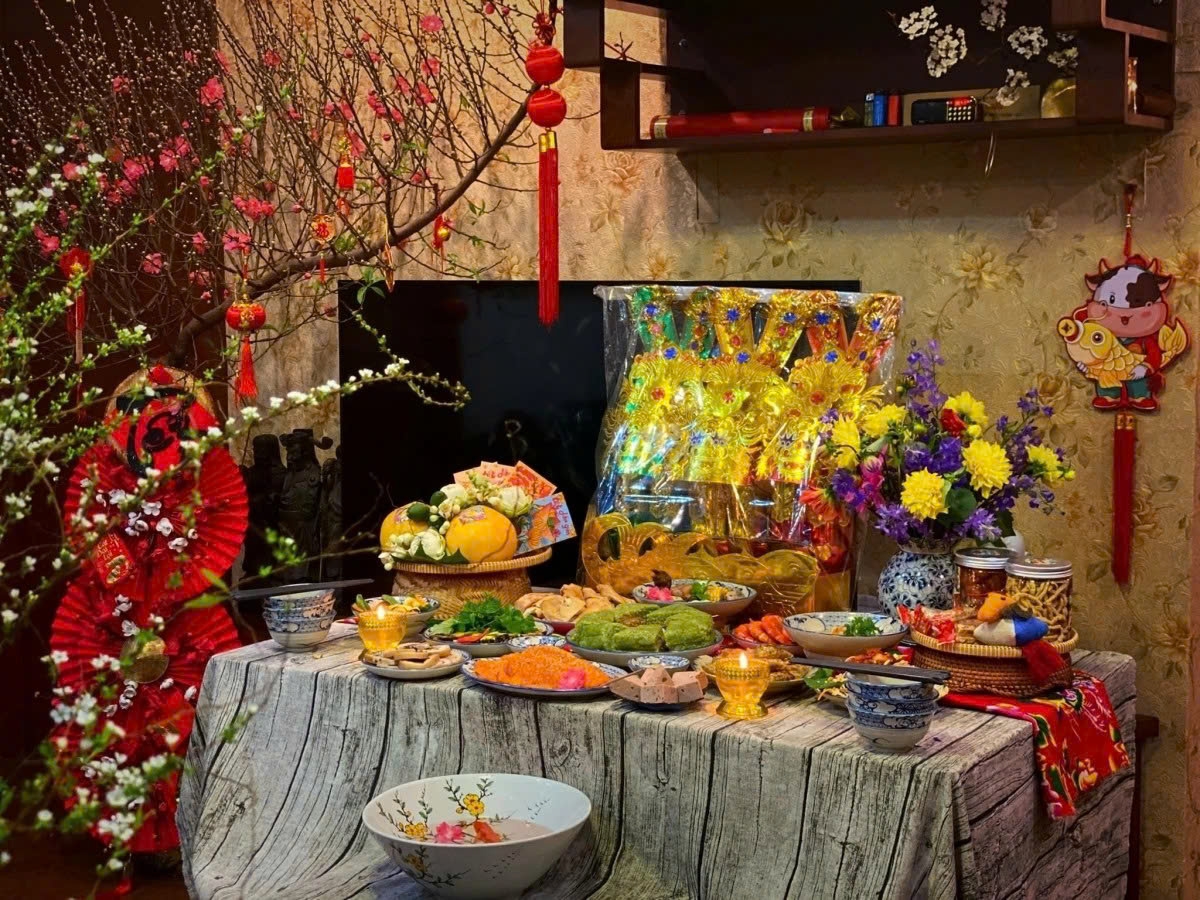
Traditionally, the ceremony is conducted before noon on the 23rd day of the last lunar month, when the Kitchen Gods are believed to depart. The offerings may be placed either at a kitchen altar or the family ancestral altar, depending on regional customs and household conditions.
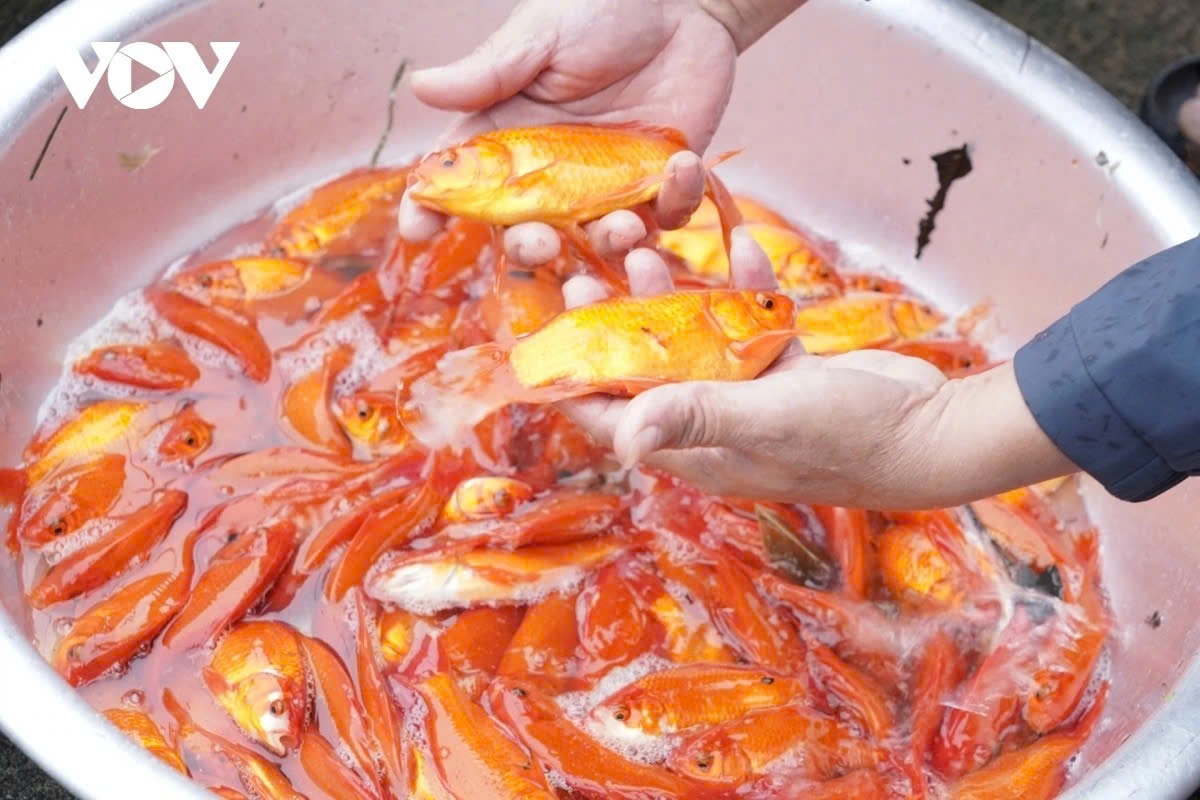
Typical offerings include incense, flowers, betel leaves, rice wine, water, votive paper and, most notably, carp. In northern Vietnam, live carp are commonly released into rivers or lakes after the ceremony, symbolising the deities’ journey to heaven and reflecting the Buddhist-inspired practice of compassion and merit-making. In central and southern regions, paper carp or symbolic substitutes may be used, while the underlying meaning of the ritual remains unchanged.
Many families also prepare either vegetarian or traditional meals for the occasion. Regardless of how elaborate the offerings may be, sincerity is regarded as the most important element, reflecting the long-held belief that devotion outweighs material display.
Moral and social significance
Beyond its spiritual dimension, Kitchen Gods Day carries strong educational and humanistic values. According to cultural experts, the belief that the deities observe both virtuous and improper behaviour serves as a moral reminder, encouraging responsibility, ethical conduct and harmony within the family.
The ritual also provides an opportunity for family members to reconnect with ancestral traditions. Cleaning the house and kitchen ahead of the ceremony symbolises renewal and readiness for the Lunar New Year, reinforcing a sense of unity, continuity and shared cultural identity.
Tradition in modern life
In contemporary urban settings, the ritual has evolved to accommodate modern lifestyles. Many households simplify offerings, opt for vegetarian ceremonies or conduct symbolic observances. Authorities and environmental groups have also encouraged environmentally responsible carp releases, discouraging the use of plastic bags and excessive burning of votive paper.
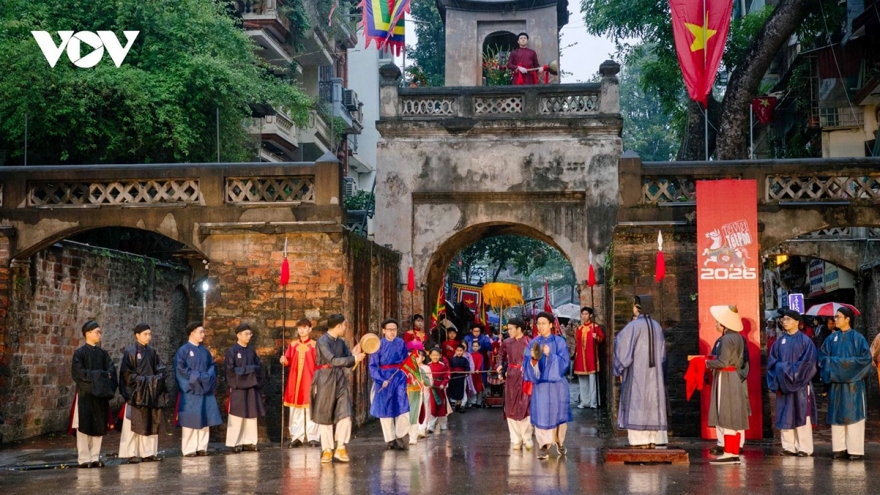
Efforts to preserve and promote the tradition have extended to cultural heritage sites. In Hanoi, the Thang Long–Hanoi Heritage Conservation Centre has for several years organised “Farewell to the Old, Welcome the New” ceremonies at the Imperial Citadel of Thang Long, recreating royal court rituals associated with the Lunar New Year, including the symbolic release of carp on Kitchen Gods Day.
This year, the ceremonial carp release at the Imperial Citadel took place at 8 a.m. on February 10, coinciding with the 23rd day of the last lunar month. The ritual carries symbolic wishes for national peace, prosperity and well-being for Vietnamese families in the year ahead.
Despite changes in form across regions and generations, Kitchen Gods Day continues to hold a lasting place in Vietnamese life. More than a religious observance, it is a moment for reflection, renewal and a reaffirmation of enduring cultural values as the Lunar New Year approaches.
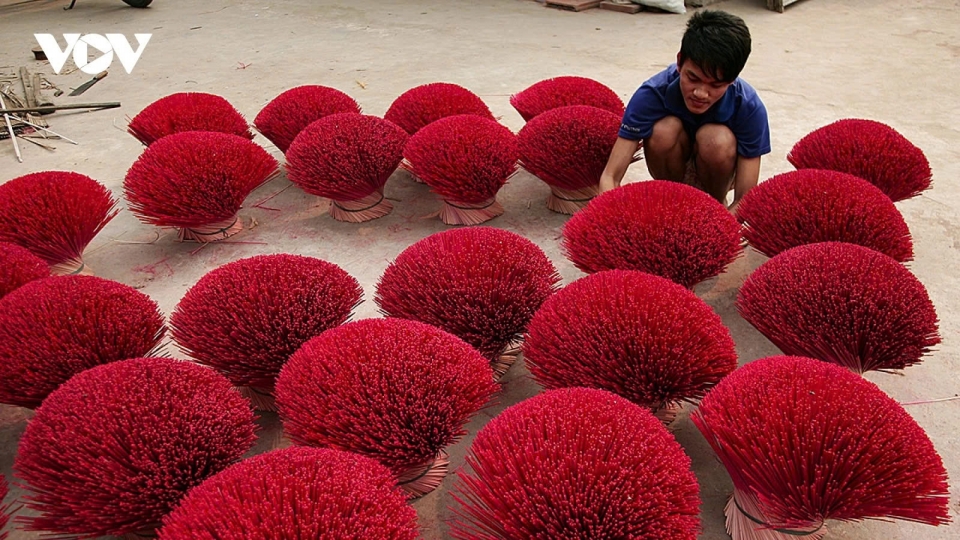
Incense-making village in Hung Yen bustles ahead of Lunar New Year
VOV.VN - As the Lunar New Year 2026 approaches, the traditional incense-making village in Son Nam ward, Hung Yen province, is entering its busiest season of the year.