Exhibition presents 260 items tracing Ho Chi Minh’s footsteps in Russia

VOV.VN - The Ho Chi Minh Museum officially opened the thematic exhibition “Ho Chi Minh’s footsteps in the homeland of the October Revolution” on December 8, featuring 260 documents, images, and artifacts about President Ho Chi Minh’s journey in Russia, marking the 75th anniversary of Vietnam-Russia diplomatic ties.
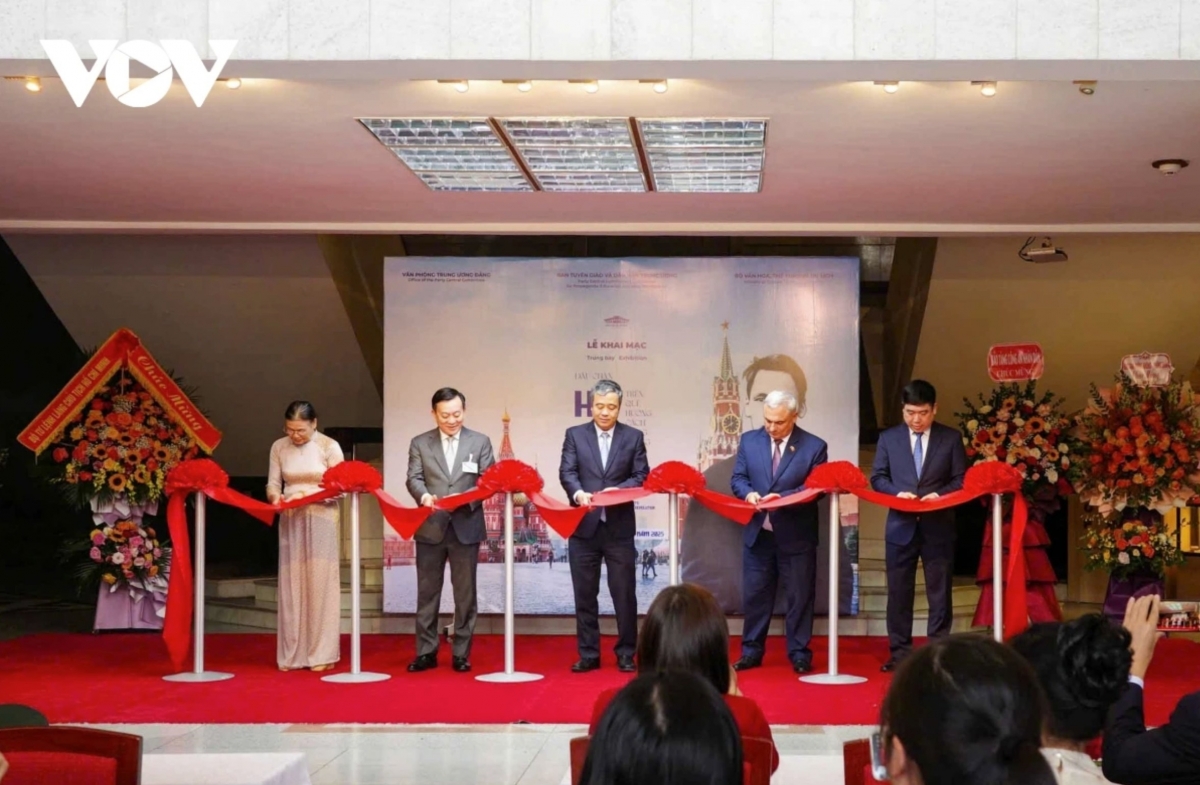
The exhibition is organized by the Ho Chi Minh Museum in coordination with the Department of Political Theory, the Archives Department of the Party Central Committee Office, and other relevant units.
It introduces the public to Ho Chi Minh’s journey to Russia, a country led by Lenin and the site of the October Revolution’s victory. Lenin’s great ideas became a guiding light and strong motivation for Nguyen Ai Quoc – Ho Chi Minh’s path to national liberation.
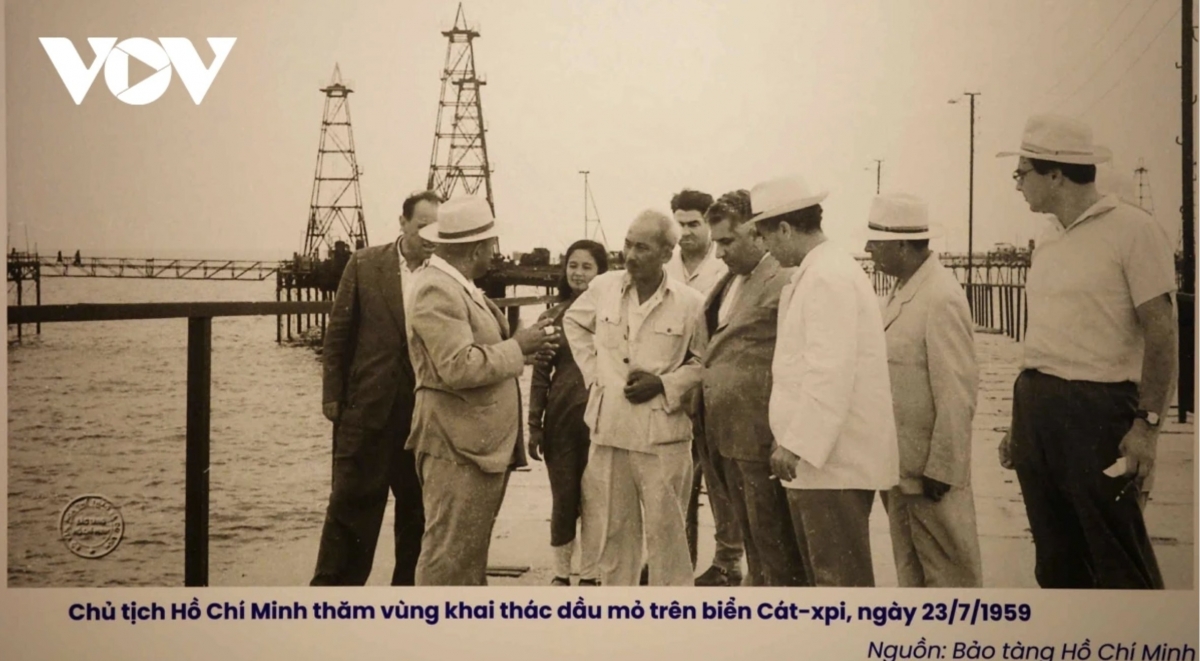
While in Russia, Ho Chi Min lived, studied, and engaged in revolutionary activities, forming a deep connection with the country and its people. Documents on his three visits to Russia (1923-1924, 1927, 1934-1938) provide an authentic view of his environment for study and revolutionary work during a critical stage of his career.

The exhibition covers three main themes. The first, seeking the image of a nation, recounts how in 1920 Nguyen Ai Quoc-Ho Chi Minh discovered the path to national liberation through Lenin’s ideas, and during his three visits to Russia, he studied, participated in revolutionary work, formed close ties with the Russian people, and creatively applied strategies to liberate the colonial nation.
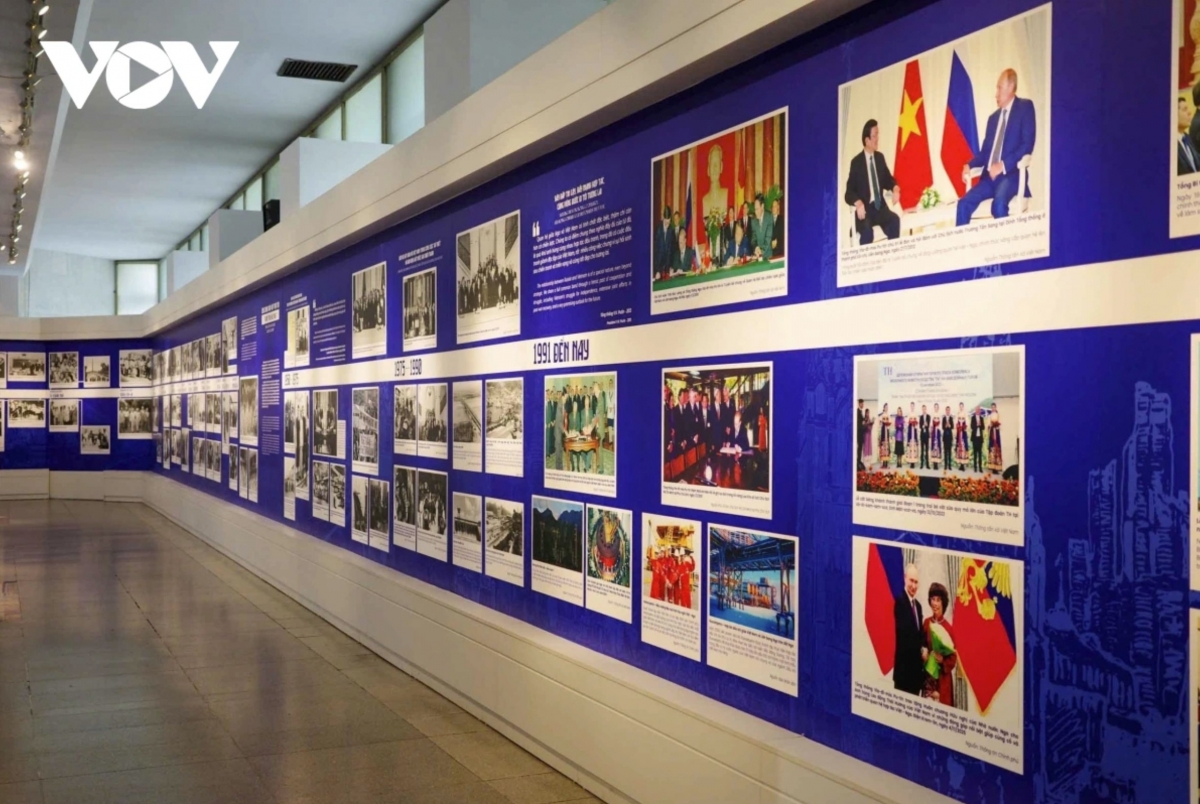
The second theme, enduring Vietnam-Russia friendship, highlights how over 75 years, Vietnam-Russia relations have developed sustainably from the foundations laid by Ho Chi Minh and successive generations of leaders. From the 1994 Treaty to the upgrade to a comprehensive strategic partnership in 2012, the friendship and cooperation between the two peoples have remained warm, steadfast, and resilient through history’s challenges.
The final theme, rare artifacts unveiled, presents items shown to the Vietnamese public for the first time, including the book The Fifth World Congress of the Communist International, 1924, a photo collection of Ho Chi Minh’s visit to the Soviet Union in 1955, and autograph collections at the Ural Geological Museum, offering a vivid understanding of his diplomatic activities in the 20th century.
The exhibition runs from December 8, 2025, to April 2026 at the Ho Chi Minh Museum Hanoi, offering the public, especially younger generations, an opportunity to gain deeper insights into President Ho Chi Minh’s journey and the diplomatic legacy he left for Vietnam.
Some photos of Ho Chi Minh's journey in Russia:


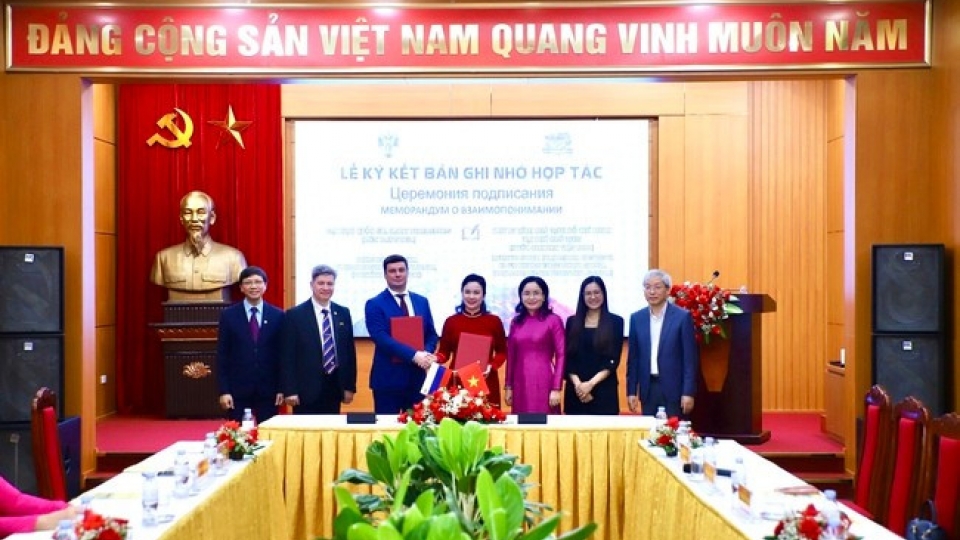
Vietnam, Russia cooperate to promote President Ho Chi Minh’s legacy
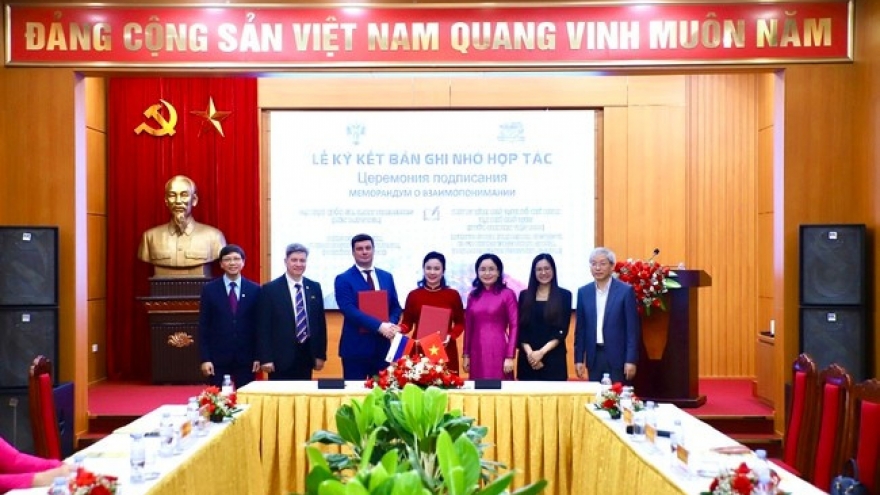
The Ho Chi Minh Relic Site at the Presidential Palace and Saint Petersburg State University of Russia on December 2 signed a Memorandum of Understanding (MoU) on cooperation for the 2025–2030 period, marking a new step forward in cultural, educational and research collaboration between the two sides.