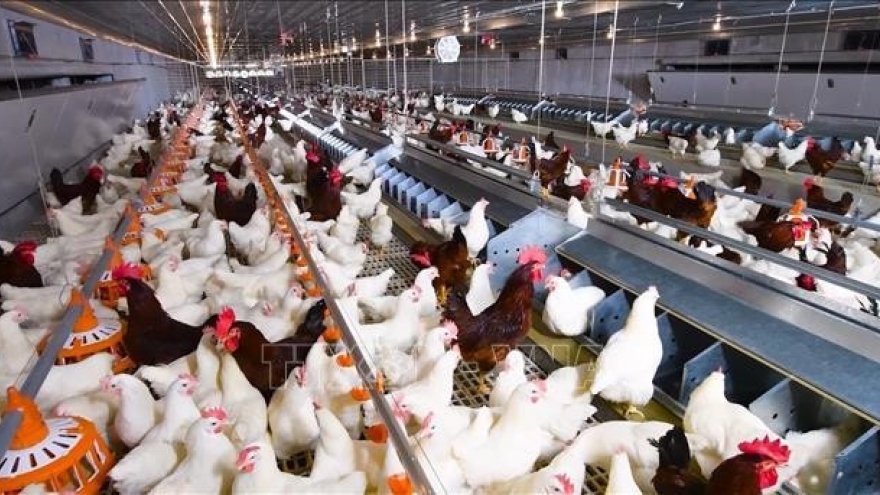
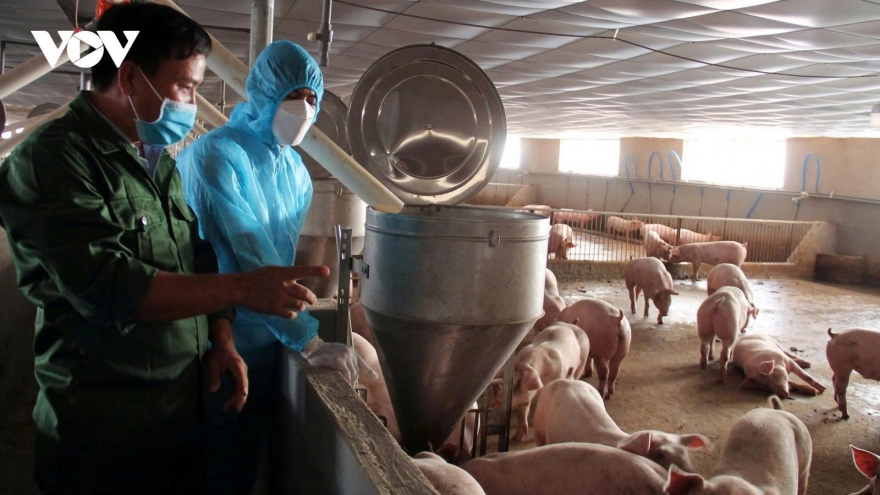
Disease control key to Vietnam’s sustainable livestock growth

VOV.VN - Vietnam is stepping up disease control and production optimisation to promote sustainable livestock development, officials and experts said at a conference held in Hanoi on March 12.
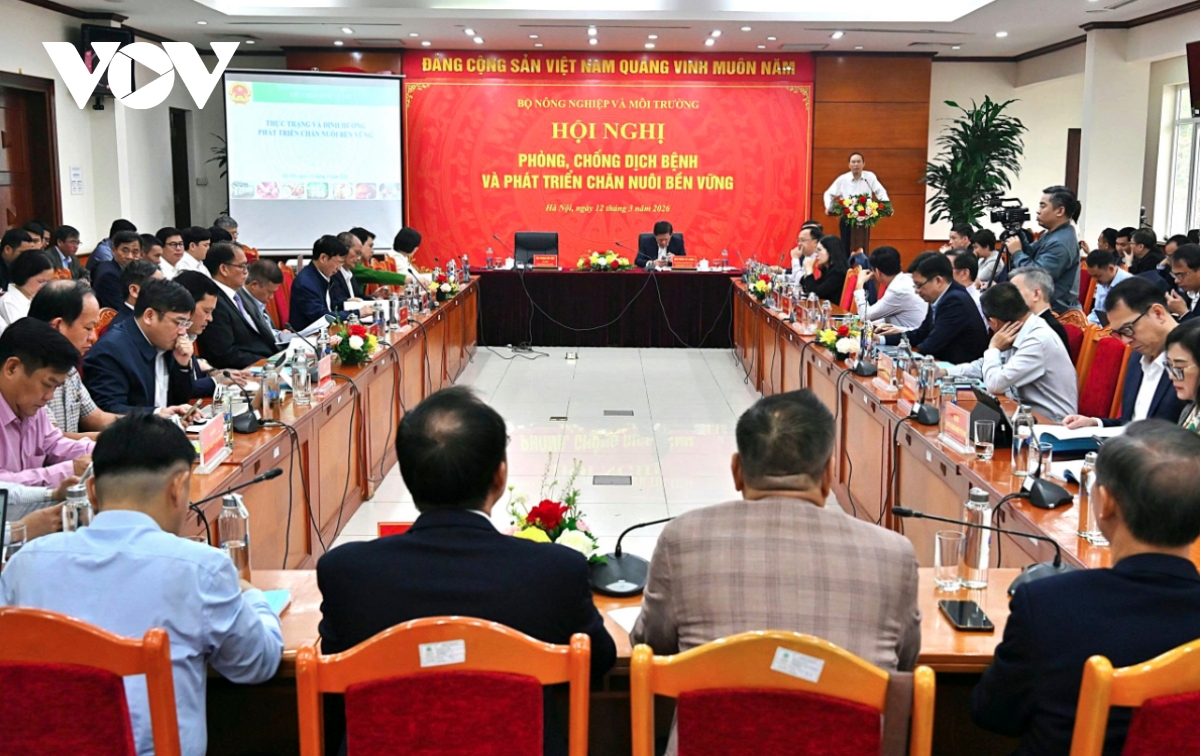
The conference on disease prevention and sustainable livestock development was organised by the Ministry of Agriculture and Environment, bringing together policymakers, industry representatives and researchers.
Participants emphasised that strengthening disease control while ensuring stable sources of animal feed ingredients would help reduce production costs and move the livestock sector toward green and low-emission development.
They noted that livestock production continues to play an important role in supporting overall growth in agriculture, ensuring food supply and improving incomes for rural communities.
However, global geopolitical tensions, including the Russia–Ukraine conflict and escalating tensions involving the United States, Israel and Iran in the Middle East, are creating volatility in energy markets, transportation and agricultural inputs worldwide.
For Vietnam’s livestock industry, the impacts are reflected in rising feed ingredient prices, higher transportation costs and supply shortages.
According to Pham Kim Dang, deputy director of the Department of Livestock Production and Animal Health, feed prices are expected to remain relatively high in both the short and long term compared with the period before recent geopolitical tensions in the Middle East.
“In the short term, producers must optimise production and logistics costs. In the long term, the sector needs to reduce dependence on imported feed ingredients and increase self-sufficiency in breeding, feed production, slaughtering and deep processing,” he said.
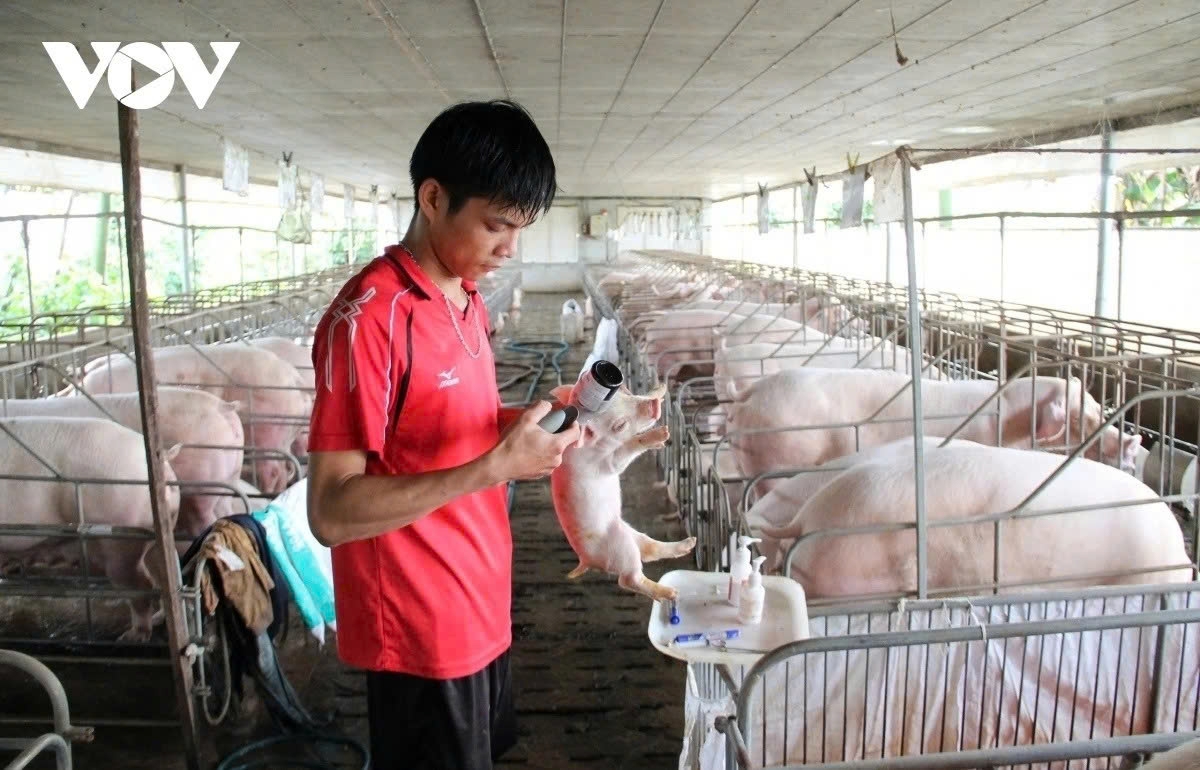
Some experts believed that if bottlenecks in management, technology and value chains are addressed, Vietnam’s livestock sector could enter a new stage of development. This would involve large-scale production, high-tech farming and effective disease control, combined with modern processing and distribution systems. Such a model would also allow the sector to respond more proactively to fluctuations in domestic and global markets.
Highlighting the role of science and technology, Deputy Minister of Agriculture and Environment Phung Duc Tien stressed that sustainable development requires a comprehensive ecosystem involving the government, businesses, cooperatives, farmers and industry associations.
Industry associations, he noted, serve as important bridges between enterprises and regulators, while also contributing to policy development and value chain expansion.
Digital transformation is also seen as a crucial tool for data management, product traceability and building a transparent market environment. Promoting international cooperation will further help the sector access advanced technologies, improve workforce training and expand export markets.
“Science and technology determine the rapid and sustainable growth of the sector as well as the country’s competitiveness,” Tien said, adding that biotechnology applications, including genetic and cell technologies, should be synchronised in breeding and production to support sustainable livestock development.
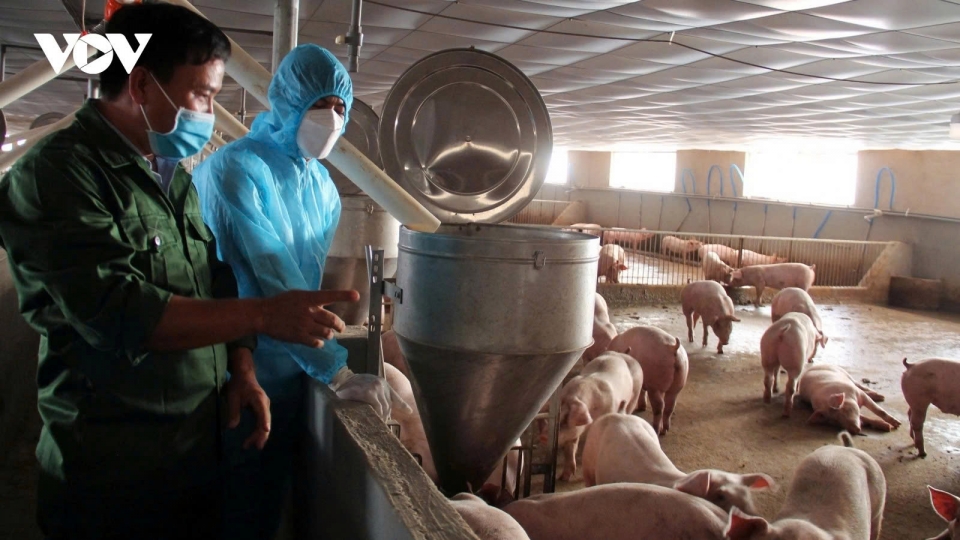
Authorities order mass livestock vaccination after 38,000 animal deaths
VOV.VN - Nearly 38,000 pigs and poultry have died or have been culled across Vietnam since the start of the year due to African swine fever and avian influenza outbreaks, prompting authorities to order a nationwide vaccination campaign and large-scale disinfection measures.