


Top leader requests tangible results in implementing Resolution 57

VOV.VN - Party General Secretary and State President To Lam has called for a new phase in implementing Resolution 57, shifting the focus from planning to delivering measurable results, making innovation a driving force across society and transforming Vietnam into an innovation-driven economy.
The direction was given in the top leader’s conclusions following a recent meeting of the Central Steering Committee on science, technology, innovation and digital transformation, outlining priorities for the next phase of implementing Resolution 57.
In the conclusions issued by the Party Central Committee Office on August 7, Party General Secretary and State President To Lam described the implementation of Resolution 57 as entering a new stage in which success should be measured by concrete outcomes rather than plans or administrative processes.
Delivering measurable outcomes
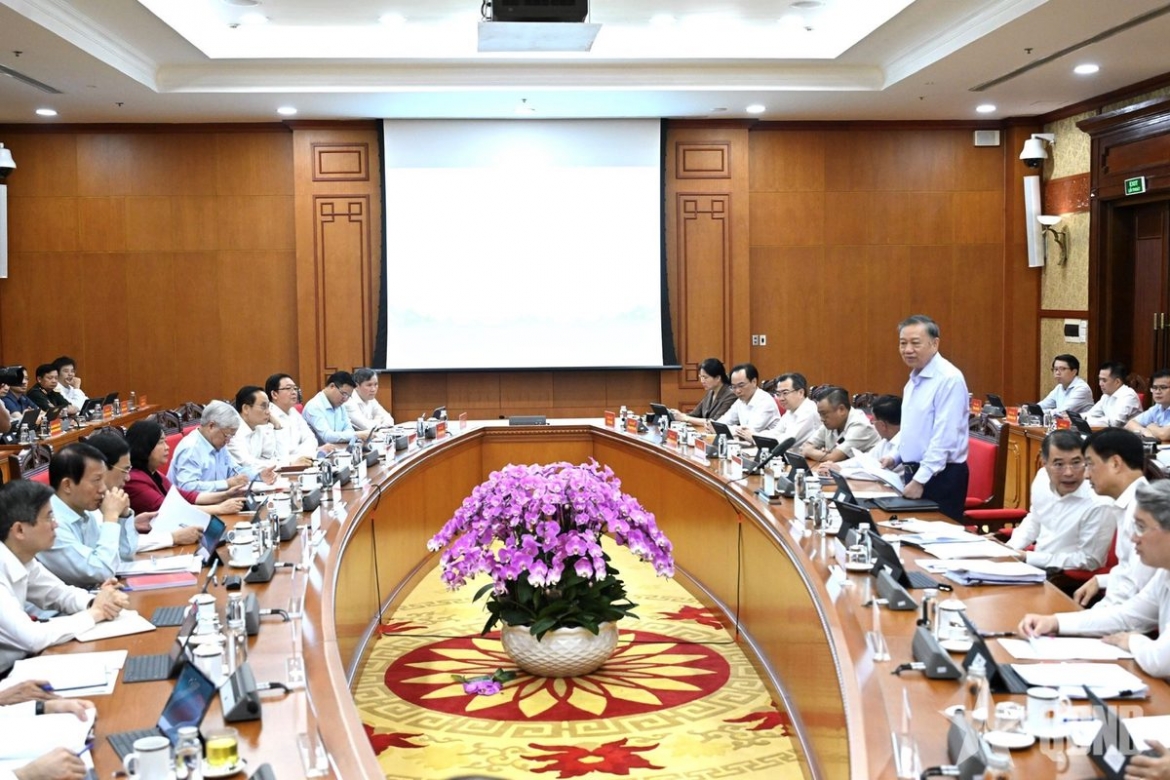
One of the key priorities, he said, is shifting from managing implementation progress to managing results.
Every task should clearly define the problem it seeks to solve, the expected final product, intended users, responsible agencies and officials, as well as measurable performance indicators so that outcomes can be evaluated objectively.
Projects that are ready should be implemented immediately and carried through to completion. For tasks facing obstacles, responsible authorities should identify the causes, clarify responsibilities and set deadlines for resolution. New issues without precedent should be studied proactively and piloted under appropriate oversight.
The top leader stressed that amendments or new initiatives should not simply add more procedures but produce practical improvements in governance and implementation.
He also reaffirmed that the next phase of Resolution 57 should centre on execution rather than policy formulation, ensuring previously approved programmes create visible and measurable changes.
Building an innovation-driven economy
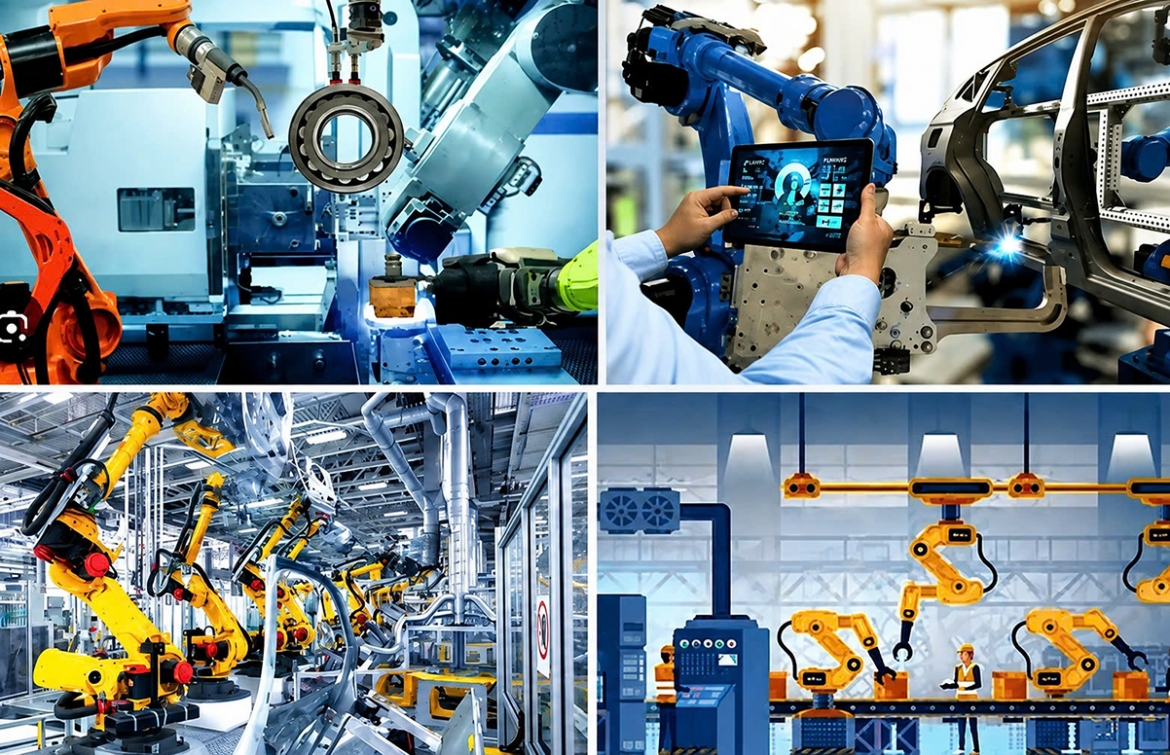
Party General Secretary and State President To Lam described the transition from labour-intensive work to innovation-driven work as one of the central objectives of Resolution 57.
Vietnam’s growth model, he noted, should gradually move beyond one driven mainly by processing, assembly and existing comparative advantages toward one based on science and technology, innovation, digital transformation and highly skilled human resources.
He envisioned farmers mastering modern agricultural technologies, industrial workers operating advanced equipment, entrepreneurs leading innovation, and public officials shifting from administrative management to development-oriented governance.
Innovation-driven work should become the nation’s most valuable resource in the future, he stated.
The top Party and State leader also called for innovation to extend beyond research institutes and technology companies to become a driving force across society.
Citizens should be encouraged to become innovators, businesses should regard innovation as essential to long-term competitiveness, public officials should adopt a development-oriented mindset, and ministries and local authorities should become centres of innovation within their respective sectors. He also underlined the need to build a learning society and foster a nationwide culture of innovation.
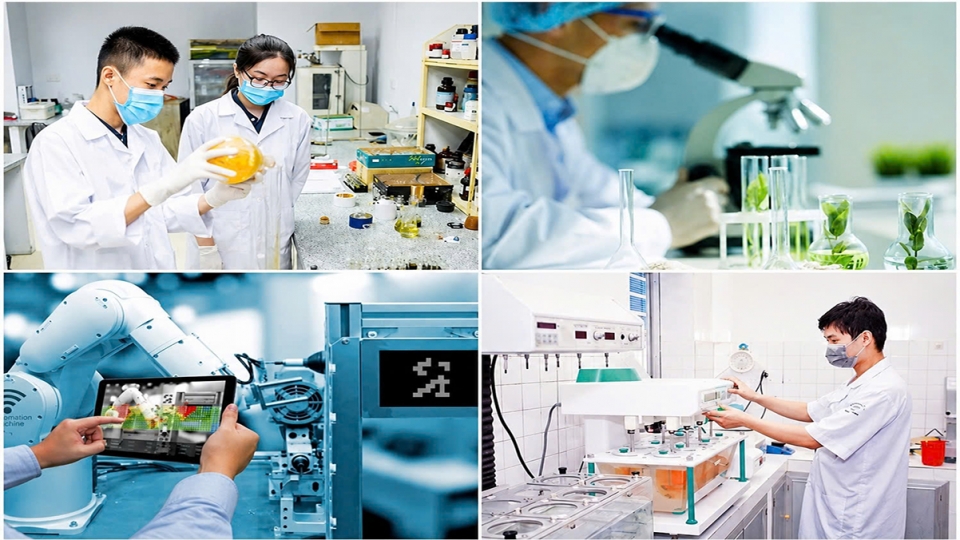
The leader stressed that research should generate commercially viable products, competitive businesses and new markets rather than remain confined to laboratories.
Government agencies were instructed to identify priority technologies, target products, potential markets and responsible organisations while concentrating resources on strategic projects capable of creating broad economic impact. Businesses, he held, should participate from the earliest stages of identifying research challenges through to commercialisation, and the government should focus on improving institutions, commissioning research, sharing risks and helping create initial markets.
Strong resolve
To realise these priorities, the top leader instructed authorities to quickly consolidate steering committees at all levels, streamline support structures and complete organisational transitions without disrupting ongoing work. Key projects should clearly specify expected outputs, funding, implementation timelines and responsible officials, with progress monitored through unified digital platforms.
He concluded that Resolution 57 must not be a slogan or a campaign, but should deliver concrete results that improve productivity, strengthen competitiveness and support Vietnam’s transition to a new growth model.
Resolution 57, issued by the Politburo on December 22, 2024, identifies science and technology, innovation and digital transformation as key drivers of Vietnam's long-term growth and national competitiveness.
The resolution calls for breakthroughs in institutions, digital infrastructure, high-quality human resources and technology enterprises, shifting the country's growth model away from one based on natural resources, capital and low-cost labour toward one driven by knowledge, technology and innovation. It sets the goal of making Vietnam a developing country with modern industry and upper-middle-income status by 2030, before becoming a high-income developed country by 2045.
Following its adoption, the Politburo established a Central Steering Committee headed by Party General Secretary and State President To Lam, while the government, ministries and local authorities rolled out action plans and policy measures to implement the resolution. Although progress has been made in areas such as institutional reform, digital transformation and innovation ecosystems, the Steering Committee has said the next phase must focus on delivering concrete outcomes rather than simply issuing policies.
Resolution 57 implementation must produce measurable outcomes: Top leader
VOV.VN - Party General Secretary and State President To Lam has called for a fundamental shift in implementing Resolution 57 on science, technology, innovation and digital transformation, urging authorities to focus on delivering tangible products, measurable outcomes and practical value that can directly contribute to Vietnam’s ambition of achieving double-digit economic growth.


