


Vietnamese exporters face tighter EU rules on environmental claims

VOV.VN - Vietnamese exporters of textiles, footwear, food, coffee, electronics, wood products and other consumer goods face tighter requirements for environmental claims under new European Union rules that took effect on September 27.
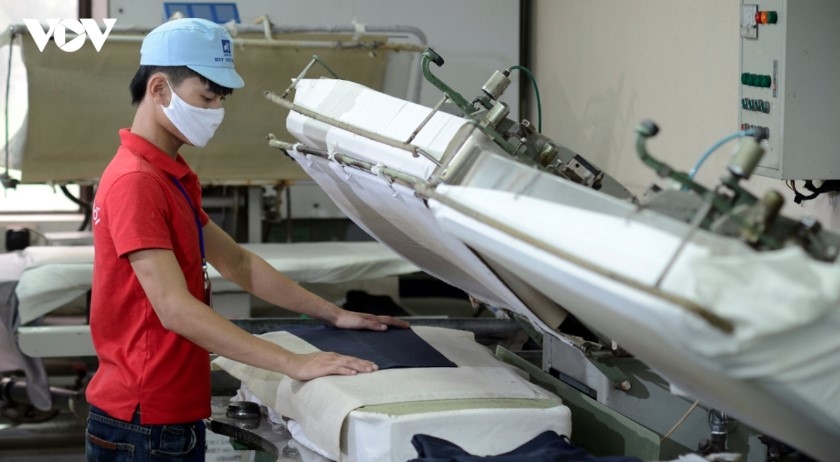
The requirements stem from Directive (EU) 2024/825, known as the Empowering Consumers for the Green Transition directive, which strengthens consumer protection in the green transition and aims to curb greenwashing by requiring environmental information to be clearer, more specific and supported by appropriate evidence.
The new rules are particularly relevant to Vietnamese businesses exporting to the EU, as environmental claims appearing on product packaging, labels, websites, catalogues, advertising materials and e-commerce platforms may need stronger supporting data and documentation.
Exporters urged to review environmental claims on packaging
One of the key changes is tighter control over generic environmental claims such as “environmentally friendly”, “eco-friendly”, “green” and “sustainable” when businesses cannot provide an appropriate basis for them.
Certain claims based on greenhouse-gas offsetting are also restricted. Under the directive, businesses cannot make claims such as “climate neutral” or “carbon neutral” that suggest a product has a neutral, reduced or positive environmental impact when those claims are based on offsetting greenhouse-gas emissions outside the product’s value chain.
The EU is also tightening requirements for sustainability labels and certification marks. Businesses cannot create or use environmental labels that give consumers the impression that a product has been independently certified unless the label is based on an appropriate certification scheme or established by a public authority.
Claims about a product’s durability, repairability and lifespan must likewise be accurate, substantiated and verifiable.
The requirements affect a broad range of consumer goods, including textiles, footwear, food, coffee, electronics, household goods, packaging, wood and other products.
Although legal responsibility in many cases rests with retailers or businesses operating in the EU, importers are likely to require manufacturers and suppliers outside the bloc to provide the data and evidence needed to substantiate environmental and sustainability claims.
Preparing for tighter supply-chain requirements
The Vietnamese Trade Office in Germany recommended that exporters review all environmental claims used on packaging, labels, websites, catalogues, advertising materials and e-commerce platforms, and identify the data and documentation available to support each claim.
Companies should also check the validity of environmental certifications and labels and discuss documentation, certification and data requirements with EU importers, distributors and customers.
For manufacturers producing goods under contract or private-label arrangements for major German retail chains, exporters should agree with their partners in advance on the wording of sustainability claims and responsibility for providing supporting evidence.
Early preparation could help businesses reduce the risk of complaints, changes to packaging or advertising, product recalls and disruption to customer relationships, while improving their ability to meet increasingly stringent EU market requirements.
Vietnam's exports to the EU reached US$44.3 billion in the first eight months of the year, up 19.7% from a year earlier, while the country's trade surplus with the bloc rose 22.8% to US$31.4 billion, according to the trade office.
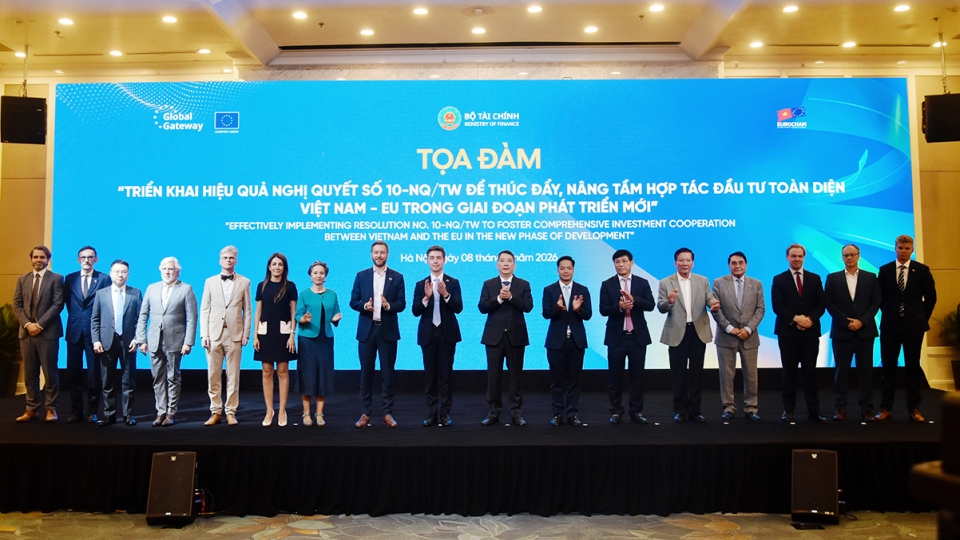
Vietnam and EU to foster stronger investment ties under Resolution 10
VOV.VN - Vietnam and the European Union need to continue reforms, improve transparency and strengthen the predictability of the investment environment to attract high-quality capital and deepen bilateral investment cooperation in a new phase of development.


